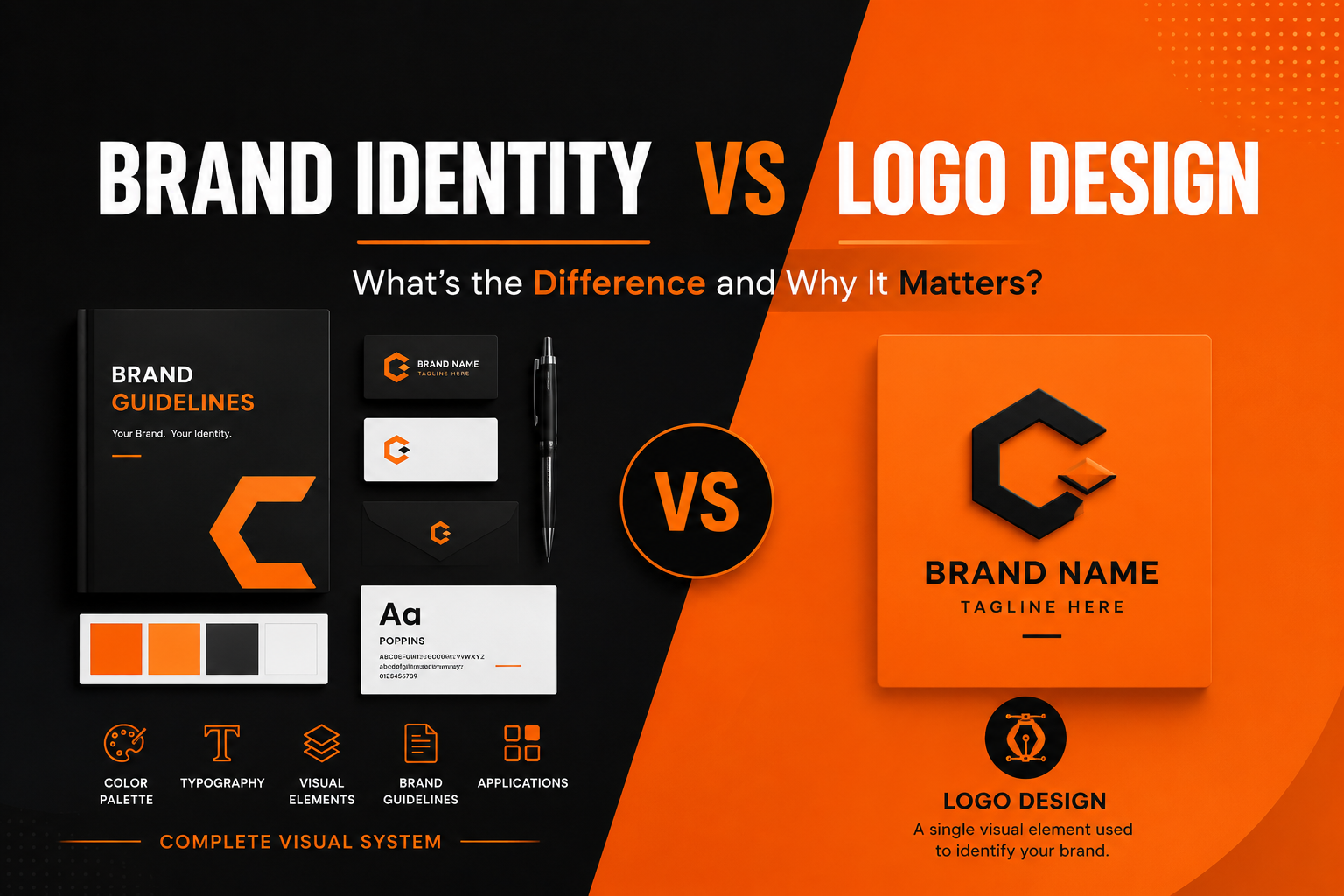

A strong brand doesn’t happen by accident. Behind every recognizable business is a carefully developed brand identity that communicates professionalism, builds trust, and creates a memorable experience for customers. Many business owners believe branding begins and ends with a logo. In reality, your logo is only one piece of a much larger system. Your colours, typography, messaging, imagery, tone of voice, social media presence, packaging, and customer experience all work together to shape how people perceive your business. Without a consistent brand identity, even the best products or services can struggle to stand out in competitive markets. Whether you’re launching a startup, rebranding an existing company, or building your business from scratch, this brand identity checklist will help you understand the essential components every successful brand should have. What Is Brand Identity? Brand identity is the complete visual and verbal system that represents your business. It includes every element customers interact with—from your logo and colours to your website, social media graphics, packaging, and communication style. Think of your brand identity as your business’s personality. It’s how customers recognize you, remember you, and differentiate you from competitors. A professional brand identity creates consistency across every customer touchpoint while helping your business appear more trustworthy and established. Why Is Brand Identity Important? People make judgments about businesses within seconds. A cohesive brand identity helps create a positive first impression while increasing customer confidence. Strong brand identity helps your business: Businesses with consistent branding are generally easier to recognize and often appear more professional than competitors with inconsistent visual identities. Brand Identity Checklist Use this checklist to evaluate whether your business has the essential branding elements needed to build a memorable and professional identity. 1. A Professional Logo Your logo is the foundation of your visual identity. It should be: A professionally designed logo provides the basis for every other branding element. 2. Defined Brand Colours Colours influence perception and help customers recognize your business instantly. Your brand should have: Using consistent colours across your website, social media, packaging, and marketing materials strengthens brand recognition. 3. Brand Typography Fonts communicate personality. Choose typography that reflects your business while remaining easy to read across all platforms. Most brands use: Consistency is far more important than using multiple typefaces. 4. Logo Usage Guidelines Your logo should always appear consistently. A brand identity should define: These guidelines help preserve your brand’s professional appearance across every application. 5. Brand Voice Brand identity isn’t only visual. How your business communicates is equally important. Ask yourself: Whether writing website copy, social media captions, or email campaigns, your communication style should remain consistent. 6. Brand Mission & Values Customers increasingly support businesses whose values align with their own. Clearly defining your mission and core values helps guide both internal decisions and external communication. Your mission should answer one simple question: Why does your business exist beyond making sales? 7. Target Audience Definition A successful brand speaks directly to a specific audience. Define: Understanding your audience allows every branding decision—from colours to messaging—to become more effective. 8. Visual Style Your brand should have a recognizable visual direction. This includes: When all visuals follow the same design language, customers begin to recognize your business instantly. 9. Social Media Brand Consistency Your social media profiles are often the first place potential customers interact with your business. If every post looks different, uses different colours, or follows inconsistent design styles, your brand becomes difficult to recognize. A strong brand identity should include: Whether someone visits your Facebook, Instagram, LinkedIn, or X profile, they should immediately recognize your brand without looking at the username. 10. Business Stationery Even in today’s digital world, professional stationery reinforces credibility. Essential branded stationery includes: Consistent stationery helps create a polished impression during meetings, proposals, and client communications. 11. Company Profile A professionally designed company profile is one of the most overlooked elements of brand identity. It introduces your business to potential clients, investors, and partners while communicating your experience, services, achievements, and values. A strong company profile should include: A professionally branded company profile builds trust and supports sales conversations. 12. Website Brand Consistency Your website should feel like an extension of your overall brand. Many businesses invest in a beautiful logo but overlook the consistency of their website. Review your website for: A cohesive website strengthens your credibility and improves the overall customer experience. 13. Brand Guidelines Document A brand guideline is the rulebook for your brand. It ensures everyone—whether employees, designers, marketers, or external agencies—uses your branding consistently. A typical brand guideline includes: As your business grows, brand guidelines become increasingly valuable because they maintain consistency across every marketing channel. 14. Marketing Templates Creating every design from scratch wastes time and often results in inconsistent branding. Prepare reusable templates for: Templates speed up content creation while ensuring every marketing asset follows the same visual identity. 15. Consistent Customer Experience The strongest brands don’t stop at visual design. Every interaction should reinforce the same brand personality. Ask yourself: When visual identity and customer experience work together, customers develop stronger trust in your business. A memorable brand is built through consistency—not isolated design elements. Common Brand Identity Mistakes Even businesses with attractive logos often struggle because their overall brand identity lacks consistency. Here are some of the most common mistakes. Treating the Logo as the Entire Brand A logo is important, but it’s only one component of your brand identity. Without consistent colours, typography, messaging, and marketing materials, your brand feels incomplete. Using Different Styles Across Platforms Many businesses use one design style on their website and another on social media. This inconsistency weakens recognition and reduces professionalism. Every customer touchpoint should follow the same visual language. Ignoring Brand Guidelines Without documented brand guidelines, colours, fonts, logos, and messaging gradually become inconsistent. This often happens as businesses grow or work with multiple designers. Copying Competitors Studying competitors is useful. Copying them is not. Your brand identity should communicate what makes your business different—not blend into the market.