
News & Article

Day: June 26, 2026

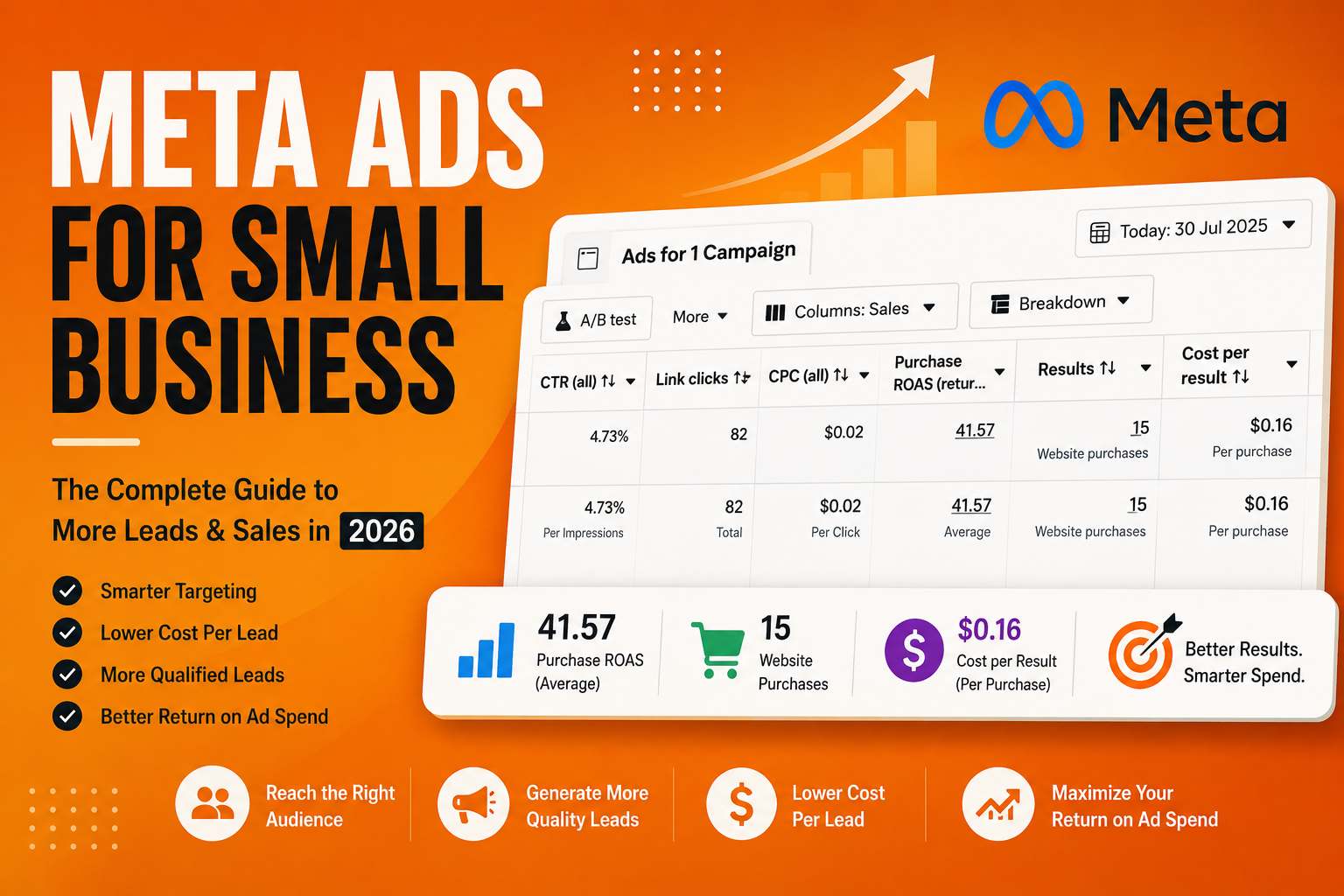
Meta Ads for Small Business featured image showing Meta Ads Manager dashboard, campaign performance metrics, and digital marketing elements illustrating lead generation and business growth.
Meta Ads
Meta Ads for Small Business: The Complete Guide to Getting More Leads and Sales in 2026

Every small business wants more customers. The challenge isn’t finding people who need your products or services—it’s reaching the right audience before your competitors do. Traditional advertising methods such as newspapers, billboards, flyers, and radio can still have value, but they often require larger budgets while offering limited targeting and difficult-to-measure results. Meta Ads have changed that. Today, even a small business with a modest advertising budget can reach thousands of potential customers through Facebook and Instagram. More importantly, those ads can be shown to people based on their location, interests, age, online behaviour, and buying intent. That’s why Meta Ads have become one of the most effective digital marketing channels for startups, local businesses, ecommerce stores, restaurants, real estate agencies, healthcare providers, and service-based companies. However, running Meta Ads successfully involves much more than simply clicking the “Boost Post” button. Many businesses spend money every month without generating quality leads because their campaigns are built without a clear strategy. In this guide, you’ll learn how Meta Ads work for small businesses, why they consistently outperform traditional advertising for many local companies, and how to build campaigns that generate qualified leads instead of wasting your marketing budget. What Are Meta Ads? Meta Ads are paid advertisements that appear across Meta’s advertising network, including: Using Meta Ads Manager, businesses can create highly targeted advertising campaigns designed to achieve specific marketing objectives such as: Unlike traditional advertising, Meta Ads allow businesses to control exactly who sees their advertisements. Instead of showing your ad to everyone, you can display it only to people who are most likely to become customers. This precision is one of the biggest reasons small businesses choose Meta Ads over many traditional advertising channels. Why Meta Ads Are Perfect for Small Businesses One of the biggest advantages of Meta Ads is accessibility. You don’t need a massive marketing budget to compete with larger businesses. A well-structured campaign with the right targeting and creative can often outperform businesses spending significantly more money. Here are some of the reasons Meta Ads continue to deliver excellent results for small businesses. Highly Targeted Advertising Instead of advertising to everyone, Meta allows you to target audiences based on: This means your advertising budget is focused on people who are genuinely interested in your products or services. Cost-Effective Marketing For many small businesses, every marketing dollar matters. Meta Ads provide complete control over your advertising budget. Whether you’re spending $10 per day or $500 per day, campaigns can be adjusted based on your business objectives and performance. Unlike many traditional advertising channels, you can pause, optimize, or scale campaigns whenever necessary. Measurable Results One of the biggest frustrations with traditional advertising is uncertainty. You rarely know exactly how many people responded to a newspaper advertisement or billboard. Meta Ads provide detailed performance metrics including: These insights allow businesses to make informed marketing decisions rather than relying on assumptions. Fast Lead Generation For service-based businesses, Meta Ads can begin generating enquiries within days rather than months. Businesses commonly use Meta Ads to receive: When campaigns are structured correctly, this creates a predictable flow of potential customers. Which Small Businesses Benefit Most from Meta Ads? Almost every business can benefit from Meta advertising. However, some industries consistently achieve excellent results because of the visual nature of Facebook and Instagram. Meta Ads are particularly effective for: Restaurants & Cafés Promote special offers, attract nearby customers, increase reservations, and showcase your menu through engaging visuals. Real Estate Agencies Generate qualified property enquiries through lead generation campaigns and targeted location-based advertising. Healthcare Clinics Reach local patients looking for healthcare services, consultations, and appointments while building trust within your community. Ecommerce Stores Increase online sales by promoting products directly to customers based on their shopping behaviour and interests. Educational Institutions Generate student enquiries for schools, colleges, academies, online courses, and training centres. Beauty Salons & Spas Promote services, attract appointment bookings, and build customer loyalty through targeted campaigns. Gyms & Fitness Centres Generate membership enquiries, advertise promotions, and encourage trial sign-ups using highly targeted local advertising. Professional Service Businesses Law firms, consultants, accountants, architects, agencies, and many other service providers can use Meta Ads to consistently generate qualified business enquiries. Why Many Small Businesses Fail with Meta Ads Despite Meta’s powerful advertising platform, many campaigns fail because businesses focus on advertising rather than strategy. Some of the most common mistakes include: Running Meta Ads successfully requires continuous testing, optimization, and data-driven decision-making. The businesses that consistently generate leads aren’t necessarily spending more—they’re making smarter advertising decisions. How to Build a Successful Meta Ads Strategy for a Small Business Many small businesses believe successful Meta advertising is simply about creating an attractive image and selecting a daily budget. In reality, every successful campaign is built on a complete marketing strategy. From audience research to campaign optimization, each stage influences the final result. Here’s what a professional Meta Ads strategy typically looks like. Step 1: Define a Clear Business Goal Before launching any campaign, determine exactly what success looks like. Different businesses have different objectives. For example: Choosing the correct campaign objective helps Meta’s algorithm deliver your ads to people most likely to complete your desired action. Launching campaigns without a clear objective often leads to wasted budget and poor-quality results. Step 2: Understand Your Target Audience One of Meta’s biggest strengths is its advanced audience targeting. Instead of advertising to everyone, successful campaigns focus on the people most likely to become customers. Important audience factors include: The more accurately your audience is defined, the more efficiently your advertising budget is spent. Step 3: Create High-Quality Ad Creatives Even the best targeting won’t save poor creative. Your advertisement has only a few seconds to capture attention before users continue scrolling. Effective Meta ad creatives usually include: Videos, carousel ads, lifestyle photography, testimonials, and user-generated content often outperform generic promotional graphics because they feel more authentic and engaging. Step 4: Write Ad Copy That Solves Problems People don’t click advertisements because businesses want

Mascot Logo Design Service Online
Design
Mascot Logo Design Service Online: Custom Mascot Logos That Make Your Brand Unforgettable

When you think about some of the world’s most recognizable brands, chances are you remember more than just their name—you remember a character. Whether it’s a friendly chef, a powerful tiger, a playful chicken, or a fearless gaming mascot, these characters create an emotional connection that ordinary logos often cannot. That’s exactly why mascot logos continue to grow in popularity across industries. Unlike traditional logos that rely on typography or abstract symbols, a mascot logo gives your brand a personality. It transforms your business into something customers can instantly recognize, remember, and connect with. For startups, restaurants, gaming brands, sports teams, YouTube creators, and businesses targeting families, a professionally designed mascot logo can become one of the most valuable assets in your entire brand identity. If you’re searching for a Mascot Logo Design Service Online, this guide will help you understand everything you need to know before investing in a custom mascot logo, including how they’re designed, who they’re best suited for, and what separates a professional mascot logo from generic illustrations or AI-generated artwork. What Is a Mascot Logo? A mascot logo is a custom-designed illustrated character that represents the personality of a business, organization, product, or community. Unlike a standard logo that may consist of only text or a simple icon, a mascot logo introduces a recognizable character that customers associate directly with your brand. The mascot becomes the face of your business. It appears across your website, packaging, uniforms, advertisements, social media, merchandise, and marketing campaigns, creating a consistent visual identity that customers begin to recognize over time. A professionally designed mascot logo is much more than an illustration. It combines storytelling, branding strategy, color psychology, typography, and character design into one cohesive identity. The objective isn’t simply to create an attractive character. The objective is to create a memorable brand ambassador that represents your business for years to come. Why Are Mascot Logos So Effective? People naturally remember faces, expressions, and personalities more easily than abstract symbols. This is one of the reasons mascot logos have remained effective for decades. A well-designed mascot creates familiarity. Customers don’t just recognize your logo—they recognize your character. That emotional recognition can influence purchasing decisions, strengthen brand recall, and encourage customer loyalty. Professional mascot logos also perform exceptionally well across digital marketing channels because they’re highly visual and instantly recognizable. Whether someone sees your brand on Instagram, YouTube, Facebook, product packaging, or a billboard, the mascot becomes a familiar face that reinforces your business identity. For brands competing in crowded industries, this recognition is a significant competitive advantage. Businesses That Benefit Most from Mascot Logo Design While almost any business can use a mascot logo, certain industries benefit particularly well from character-based branding. Restaurants & Fast Food Brands Food businesses often use mascots to create a friendly and memorable identity. A unique chicken, burger, chef, coffee cup, or pizza character immediately differentiates a restaurant from competitors and works exceptionally well on menus, packaging, signage, delivery boxes, and social media. Gaming & Esports Teams Gaming communities thrive on strong visual identities. Mascot logos help esports teams, gaming organizations, streamers, and content creators establish a recognizable brand across Twitch, YouTube, Discord, merchandise, and tournaments. A bold mascot communicates energy, confidence, and team spirit while creating a memorable identity that fans can rally behind. Sports Clubs & Schools Mascot branding has long been associated with sports organizations because it inspires loyalty and creates a sense of belonging. Schools, academies, universities, and sports clubs frequently use mascots to build community engagement while strengthening their visual identity. Children’s Brands Businesses targeting children naturally benefit from friendly, approachable characters. Whether it’s a toy company, daycare, educational platform, or children’s clothing brand, mascot logos help establish trust while making the brand more engaging and memorable. Startups Looking to Stand Out Many startups enter highly competitive markets where every business seems to use the same minimalist logo style. A professionally designed mascot logo immediately creates distinction. Instead of blending into the competition, your business gains a unique personality that customers remember long after they’ve left your website. Benefits of Choosing a Professional Mascot Logo Design Service A professionally designed mascot logo offers advantages that extend far beyond aesthetics. Stronger Brand Recognition People are far more likely to remember a distinctive character than a generic symbol. The more recognizable your brand becomes, the easier it is for customers to recall your business when they’re ready to make a purchase. Emotional Connection Mascots create personality. Customers interact with them almost like they would with a familiar character, helping your business feel more approachable and trustworthy. Greater Marketing Flexibility One of the biggest advantages of mascot branding is versatility. Your mascot can appear across: Rather than designing separate visuals for every campaign, your mascot becomes a consistent marketing asset that strengthens recognition wherever your audience encounters your brand. Long-Term Business Value Unlike marketing campaigns that stop generating results when your budget ends, a professionally designed mascot logo continues representing your business every single day. As your business grows, your mascot grows with it. It becomes a valuable part of your brand identity, helping customers recognize and trust your business across every platform. That’s why businesses that invest in professional mascot branding often benefit from stronger long-term brand recognition than businesses relying solely on generic logo designs. Why Businesses Choose Professional Designers Instead of AI Logo Generators AI tools can generate characters within seconds. However, speed doesn’t replace strategy. Most AI-generated mascot logos are created without understanding your business, industry, target audience, or long-term branding goals. As a result, they often lack originality, consistency, and commercial usability. A professional mascot logo designer creates a character specifically for your brand. Every design decision—from facial expression and pose to colors, typography, and illustration style—is based on your business objectives. The result is a mascot that doesn’t just look good but works effectively across marketing materials, digital platforms, and real-world branding. For businesses planning to build a lasting brand, investing in custom mascot logo

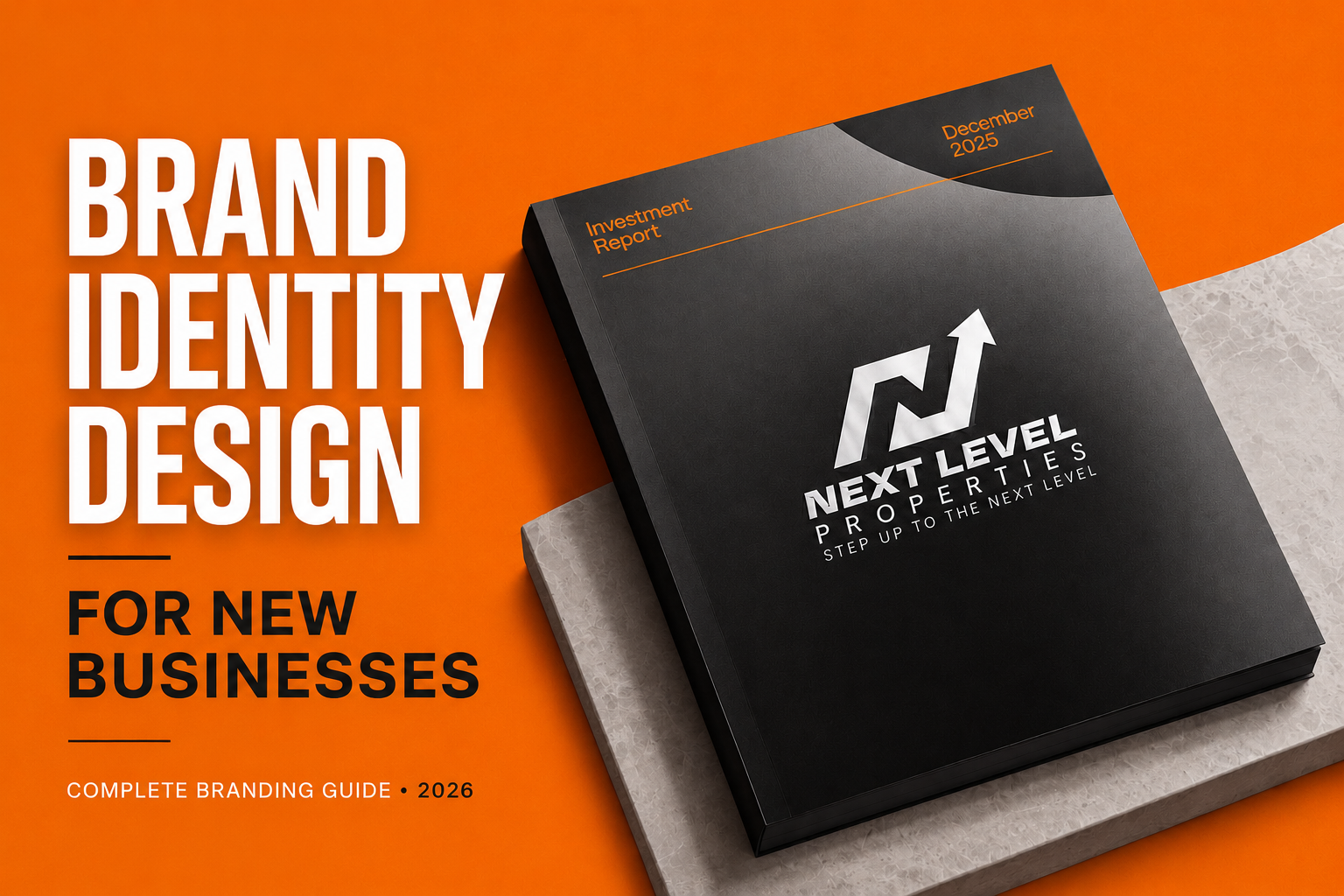
Brand identity design for new business including logo design, color palette, typography, brand guidelines, and business stationery
Branding
Brand Identity Design for New Business: Why It Matters More Than You Think

Starting a new business involves dozens of important decisions. Choosing a business name. Registering your company. Building a website. Launching your products or services. Finding your first customers. Among all these priorities, branding is often treated as something that can wait until later. Many entrepreneurs believe they only need a logo to get started. Unfortunately, this is one of the most common mistakes new businesses make. Your brand is often the first interaction people have with your business. Before a customer speaks to you, visits your office, or purchases your product, they’ve already formed an opinion based on your visual identity. A professional brand identity helps communicate credibility, consistency, and trust from the very first impression. Whether you’re launching a startup, opening a local business, or building an ecommerce brand, investing in brand identity design for a new business can make the difference between blending into the market and standing out from competitors. In this guide, we’ll explain what a brand identity is, why it matters, what should be included, and how professional branding supports long-term business growth. What Is Brand Identity? A brand identity is the complete visual and strategic system that represents your business. Many people confuse brand identity with logo design. While a logo is an important part of your branding, it’s only one element of a much larger picture. A complete brand identity includes everything customers see and experience when interacting with your business. This includes your: Together, these elements create a consistent experience that helps customers recognize and remember your business. Without a defined brand identity, businesses often appear inconsistent across different platforms. The website looks different from the social media pages. Business cards use different colors. Advertisements don’t match the company’s visual style. These inconsistencies reduce customer confidence. Strong brands don’t leave these details to chance. They build systems that ensure every customer interaction communicates the same message. Why Brand Identity Is Essential for New Businesses New businesses face one significant challenge. Nobody knows who they are. Unlike established companies, startups haven’t yet built customer trust or brand recognition. That’s why first impressions matter so much. A professionally designed brand identity immediately communicates professionalism and gives potential customers confidence in your business. It also provides consistency as your company grows. Instead of creating marketing materials from scratch every time, you’ll have clear branding guidelines that keep everything aligned. Professional branding helps new businesses: Build Trust Faster People naturally trust businesses that appear professional and well-established. Consistent branding creates the impression that your company is organized, reliable, and committed to quality. Stand Out From Competitors Most industries are crowded. Customers often compare several businesses before making a decision. A distinctive brand identity makes your business easier to recognize and remember. Instead of competing only on price, you begin competing on perception and experience. Improve Marketing Performance Every marketing campaign becomes more effective when supported by strong branding. Whether you’re running Meta Ads, Google Ads, posting on social media, or attending networking events, consistent branding increases recognition and improves recall. Customers are far more likely to remember businesses they’ve seen multiple times with consistent visuals. Increase Perceived Value Professional branding changes how customers perceive your products and services. Two businesses may offer similar services at similar prices. However, the company with stronger branding often appears more credible and more valuable. This allows businesses to compete based on quality rather than discounts. Support Long-Term Growth Your business won’t remain the same forever. You’ll launch new products. Expand into new markets. Hire employees. Develop marketing campaigns. Open new locations. A strong brand identity provides the foundation that supports this growth without constantly redesigning your visual identity. What Should a Professional Brand Identity Include? A complete brand identity goes far beyond a professionally designed logo. While every business has different requirements, most professional branding packages should include the following elements. 1. Logo Design Your logo serves as the primary visual symbol of your business. A professionally designed logo should be: Most importantly, it should accurately represent your brand personality rather than simply following current design trends. 2. Brand Color Palette Colors influence how customers feel about your business. Different colors communicate different emotions. For example: Choosing the right color palette helps create consistent brand recognition across every marketing channel. 3. Typography Fonts are often overlooked during the branding process. However, typography plays a significant role in shaping how customers perceive your business. Professional typography improves readability while reinforcing your brand’s personality. The same font should be used consistently across your website, marketing materials, presentations, and social media content. 4. Brand Guidelines As your business grows, multiple people may create content for your company. Without clear guidelines, your branding quickly becomes inconsistent. Brand guidelines define how your visual identity should be used, including: These guidelines help maintain consistency regardless of who creates future marketing materials. 5. Business Stationery Professional stationery reinforces your brand during everyday customer interactions. This may include: These materials help present your business as organized and trustworthy. 6. Social Media Branding Your social media profiles are often the first place potential customers interact with your business. Consistent branding across platforms helps strengthen recognition and builds credibility. Branded profile images, cover photos, story highlights, and post templates ensure your business maintains a professional appearance from the very first visit. Professional branding isn’t simply about making your business look attractive. It’s about creating a consistent identity that customers recognize, remember, and trust. Our Brand Identity Design Process Creating a strong brand identity isn’t about choosing attractive colors or designing a modern logo. It’s about building a complete system that represents your business consistently across every customer touchpoint. At Creative Solutions & Co., we follow a structured branding process that combines research, creativity, and strategy to ensure your business launches with a professional identity that supports long-term growth. Step 1: Understanding Your Business Every successful branding project starts with understanding the business behind it. Before opening any design software, we learn about: The better we understand your business, the