News & Article

Category: Case Study

Mascot Branding Case Study
Case Study

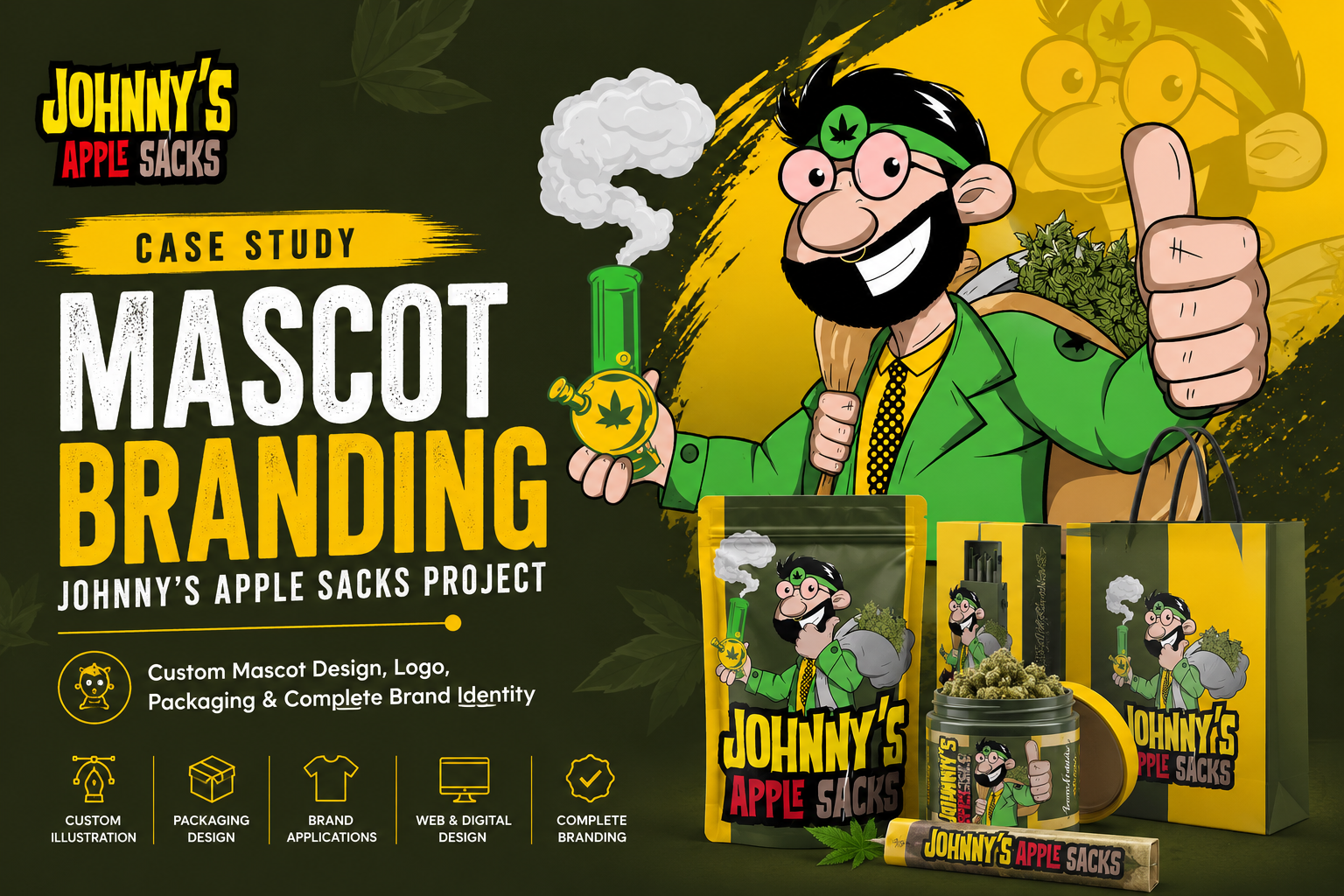
Mascot Branding Case Study Johnny’s Apple Sacks Mascot Logo & Packaging Branding A bold mascot-led branding project built around character design, packaging visuals, product mockups, merchandise applications, and a memorable brand identity system designed to stand out in a competitive lifestyle product market. Start Your Mascot Brand View Mascot Services 01Custom Mascot 10+Brand Applications 360°Packaging System 100%Custom Design Project Overview A Mascot Brand Built for Recognition Johnny’s Apple Sacks needed a visual identity that felt bold, memorable, and instantly recognizable. Instead of relying on a simple logo mark, the brand direction was built around a custom mascot character that could become the face of the brand across packaging, digital platforms, merchandise, and promotional visuals. Client Need The brand needed a distinctive mascot identity that could separate it from generic packaging designs and create a stronger visual personality. Creative Direction The design direction focused on a playful, expressive, bold character style with high-contrast colors and strong packaging visibility. Final Output The final brand system included mascot illustration, logo typography, packaging mockups, website visuals, signage, merchandise, and brand presentation assets. The Challenge Making the Brand Stand Out Visually The biggest challenge was creating a character-led identity that could work across multiple formats without losing impact. The mascot had to look strong on packaging, readable on small labels, bold on digital screens, and flexible enough for future merchandise. Packaging Visibility The design needed to stay readable and memorable even on small product packaging and retail-style mockups. Character Personality The mascot needed a clear expression, pose, outfit, and attitude so the brand could feel more human and recognizable. Brand Flexibility The identity had to work across pouches, boxes, jars, website visuals, signage, t-shirts, tote bags, and marketing graphics. Creative Solution From Mascot Concept to Complete Brand System We created a custom illustrated mascot with a strong personality and paired it with bold typography, a high-contrast green and yellow color system, and packaging mockups that made the brand feel complete, market-ready, and memorable. Custom Mascot Illustration Original character concept Expressive facial features Distinct outfit and personality Multiple character poses Logo & Typography Bold custom wordmark styling High-impact readable letters Strong packaging visibility Color contrast for shelf appeal Brand Applications Packaging pouch mockups Box and jar designs Website hero concept Merchandise and signage Design Process Behind the Scenes: From Sketch to Final Mascot Every successful mascot begins with strategy rather than illustration. Before creating the final artwork, we explored the brand personality, target audience, product positioning, and overall visual direction. This allowed us to create a mascot that wasn’t simply attractive—it became the face of the brand. 01. Discovery We first studied the target audience, competitors, and product positioning to determine what kind of mascot personality would connect best with potential customers. 02. Character Sketches Multiple rough concepts were created to explore expressions, poses, accessories, clothing, and overall character style before illustration began. 03. Illustration After selecting the strongest concept, the mascot was professionally illustrated with clean vector artwork, bold outlines, expressive facial features, and brand-focused colors. 04. Brand Integration The mascot was combined with custom typography and adapted into multiple logo compositions suitable for packaging, marketing, merchandise, and digital platforms. 05. Mockups Finally, realistic brand mockups demonstrated how the mascot performs across real-world applications before final delivery. 06. Final Delivery The client received production-ready files, branding assets, editable vectors, and presentation mockups for future marketing campaigns. Brand Applications How the Mascot Strengthened the Brand Unlike ordinary logos that appear only on business cards or websites, a mascot becomes a visual ambassador. This project demonstrates how a single character can create consistency across every customer touchpoint. Project Deliverables Everything Delivered in This Mascot Branding Project Mascot Character Design Original mascot illustration Multiple character poses Brand personality development Commercial-ready artwork Logo Design Custom typography Primary logo Alternative compositions High-resolution files Packaging Design Stand-up pouch Product box Jar label Retail presentation Marketing Assets Website concept Social media visuals Advertising mockups Promotional graphics Merchandise T-shirt design Shopping bag Stickers Brand accessories Production Files AI EPS SVG PDF PNG Print-ready assets Why Mascot Branding Works More Than a Logo — A Complete Brand Asset A professionally designed mascot becomes one of the most valuable long-term marketing assets for a business. Customers remember characters far more easily than symbols alone, making mascot branding especially effective for consumer products, restaurants, ecommerce brands, sports organizations, gaming companies, and lifestyle brands. Higher Brand Recall People naturally remember faces and characters faster than abstract symbols, making mascot logos significantly more memorable. Marketing Flexibility The mascot can appear in advertisements, social media posts, product packaging, animations, promotional campaigns, and future branding materials. Merchandising Potential Mascots create opportunities for apparel, stickers, promotional gifts, product packaging, collectibles, and branded merchandise. Emotional Connection Characters help businesses build trust, personality, and stronger emotional relationships with customers. Competitive Advantage Very few competitors invest in professionally illustrated mascot branding, making businesses stand out immediately. Long-Term Value A mascot continues working for the business for years across countless marketing campaigns and customer interactions. Project Outcome A Brand Built to Be Remembered Johnny’s Apple Sacks evolved from a simple product idea into a recognizable mascot-driven brand identity. Instead of relying on generic packaging, the business now owns a memorable character that can grow alongside the company through future campaigns, merchandise, social media, product launches, and advertising. ✔ Strong Shelf Presence The combination of bold typography, high-contrast colors, and expressive mascot artwork creates instant product visibility both online and in physical retail environments. ✔ Consistent Branding Every application—from packaging to apparel—shares the same visual language, making the brand appear larger, more trustworthy, and highly professional. ✔ Marketing Ready The mascot is now ready to be used across advertisements, animated content, social media campaigns, website graphics, promotional videos, and future packaging expansions. Why Businesses Choose Mascot Branding Should Your Business Invest in a Mascot Logo? If your business depends on customer recognition, repeat purchases, retail visibility, or social media marketing, a mascot logo can become one of your strongest long-term marketing assets. Perfect For Food
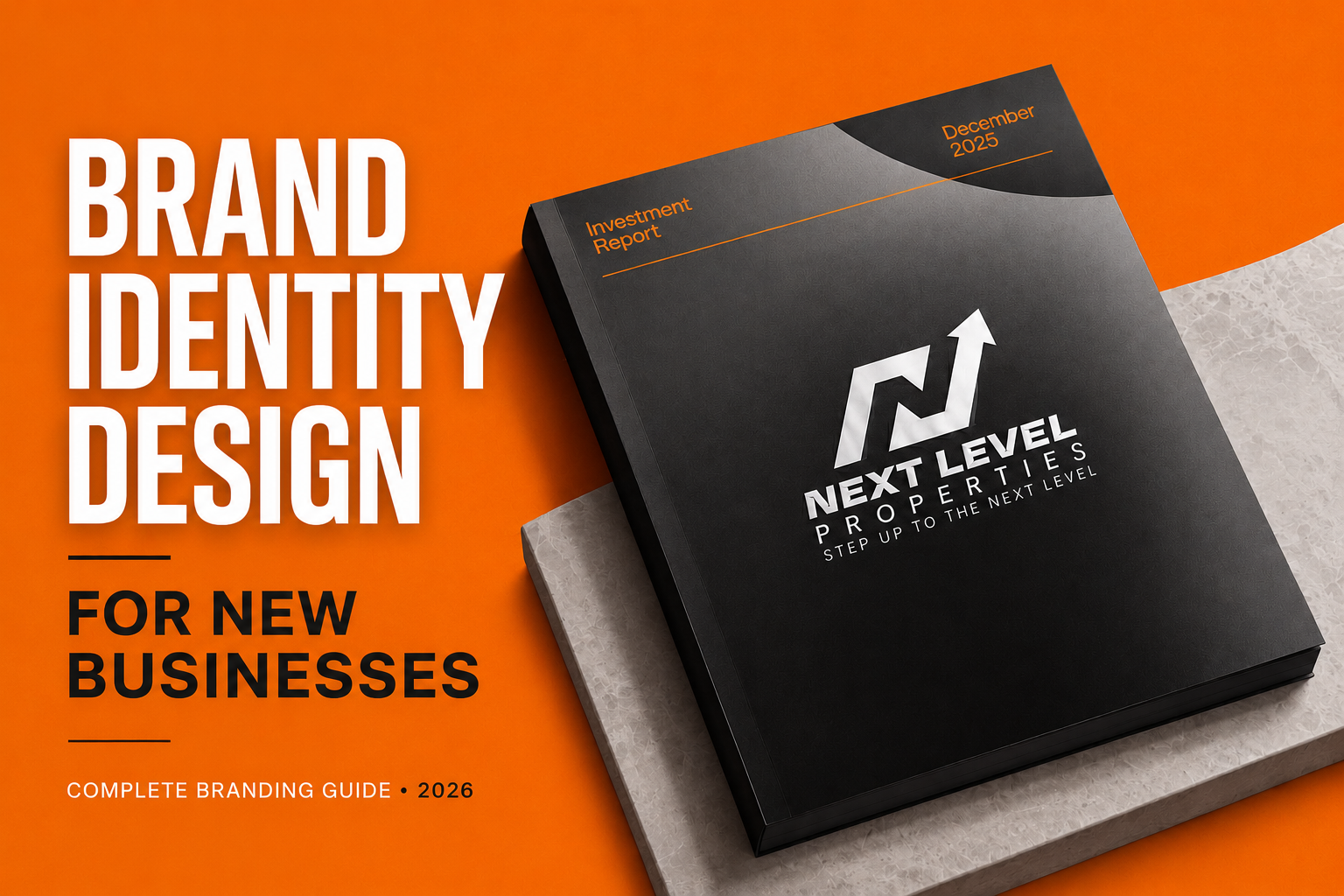
Brand identity design for new business including logo design, color palette, typography, brand guidelines, and business stationery
Branding
Brand Identity Design for New Business: Why It Matters More Than You Think

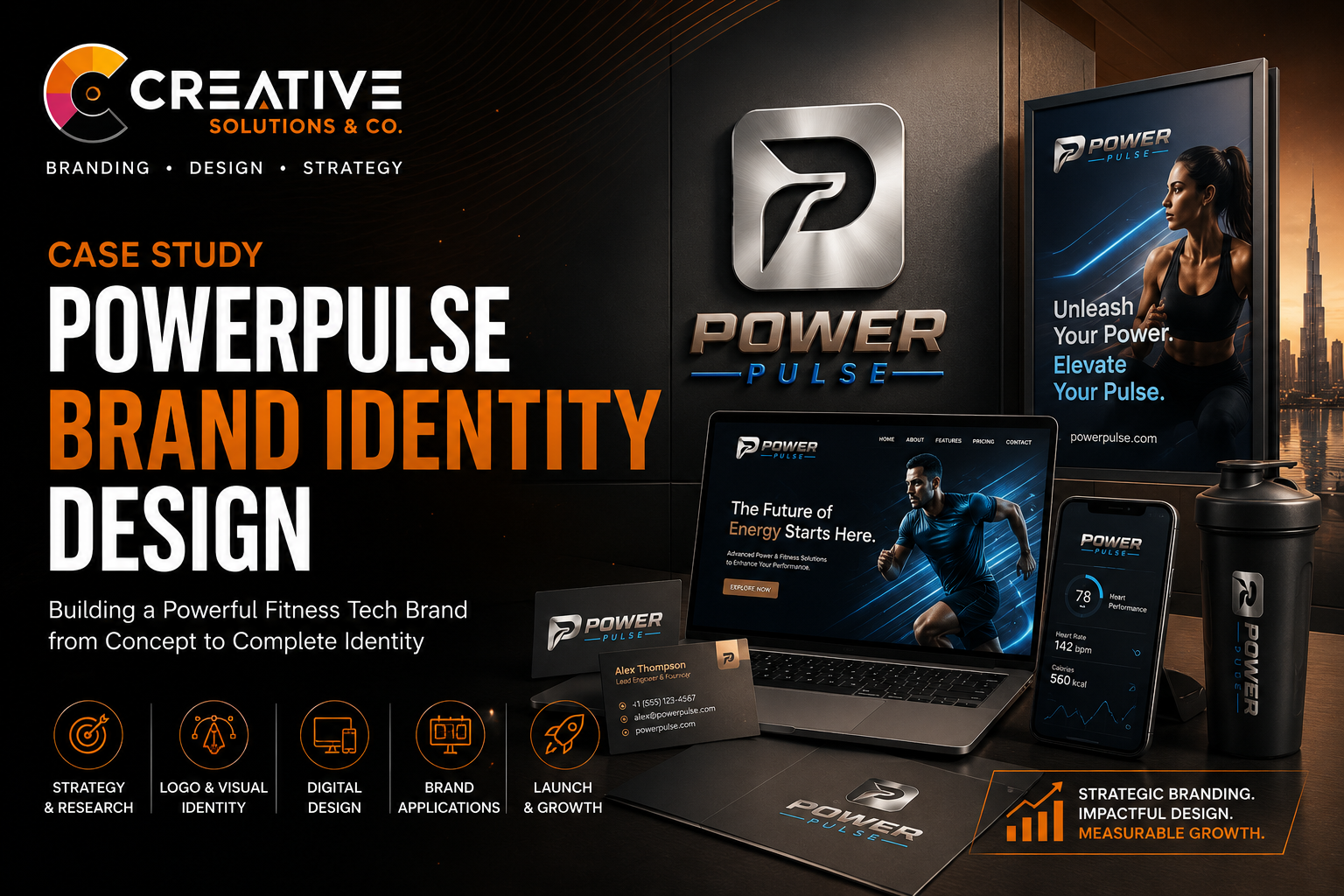
Starting a new business involves dozens of important decisions. Choosing a business name. Registering your company. Building a website. Launching your products or services. Finding your first customers. Among all these priorities, branding is often treated as something that can wait until later. Many entrepreneurs believe they only need a logo to get started. Unfortunately, this is one of the most common mistakes new businesses make. Your brand is often the first interaction people have with your business. Before a customer speaks to you, visits your office, or purchases your product, they’ve already formed an opinion based on your visual identity. A professional brand identity helps communicate credibility, consistency, and trust from the very first impression. Whether you’re launching a startup, opening a local business, or building an ecommerce brand, investing in brand identity design for a new business can make the difference between blending into the market and standing out from competitors. In this guide, we’ll explain what a brand identity is, why it matters, what should be included, and how professional branding supports long-term business growth. What Is Brand Identity? A brand identity is the complete visual and strategic system that represents your business. Many people confuse brand identity with logo design. While a logo is an important part of your branding, it’s only one element of a much larger picture. A complete brand identity includes everything customers see and experience when interacting with your business. This includes your: Together, these elements create a consistent experience that helps customers recognize and remember your business. Without a defined brand identity, businesses often appear inconsistent across different platforms. The website looks different from the social media pages. Business cards use different colors. Advertisements don’t match the company’s visual style. These inconsistencies reduce customer confidence. Strong brands don’t leave these details to chance. They build systems that ensure every customer interaction communicates the same message. Why Brand Identity Is Essential for New Businesses New businesses face one significant challenge. Nobody knows who they are. Unlike established companies, startups haven’t yet built customer trust or brand recognition. That’s why first impressions matter so much. A professionally designed brand identity immediately communicates professionalism and gives potential customers confidence in your business. It also provides consistency as your company grows. Instead of creating marketing materials from scratch every time, you’ll have clear branding guidelines that keep everything aligned. Professional branding helps new businesses: Build Trust Faster People naturally trust businesses that appear professional and well-established. Consistent branding creates the impression that your company is organized, reliable, and committed to quality. Stand Out From Competitors Most industries are crowded. Customers often compare several businesses before making a decision. A distinctive brand identity makes your business easier to recognize and remember. Instead of competing only on price, you begin competing on perception and experience. Improve Marketing Performance Every marketing campaign becomes more effective when supported by strong branding. Whether you’re running Meta Ads, Google Ads, posting on social media, or attending networking events, consistent branding increases recognition and improves recall. Customers are far more likely to remember businesses they’ve seen multiple times with consistent visuals. Increase Perceived Value Professional branding changes how customers perceive your products and services. Two businesses may offer similar services at similar prices. However, the company with stronger branding often appears more credible and more valuable. This allows businesses to compete based on quality rather than discounts. Support Long-Term Growth Your business won’t remain the same forever. You’ll launch new products. Expand into new markets. Hire employees. Develop marketing campaigns. Open new locations. A strong brand identity provides the foundation that supports this growth without constantly redesigning your visual identity. What Should a Professional Brand Identity Include? A complete brand identity goes far beyond a professionally designed logo. While every business has different requirements, most professional branding packages should include the following elements. 1. Logo Design Your logo serves as the primary visual symbol of your business. A professionally designed logo should be: Most importantly, it should accurately represent your brand personality rather than simply following current design trends. 2. Brand Color Palette Colors influence how customers feel about your business. Different colors communicate different emotions. For example: Choosing the right color palette helps create consistent brand recognition across every marketing channel. 3. Typography Fonts are often overlooked during the branding process. However, typography plays a significant role in shaping how customers perceive your business. Professional typography improves readability while reinforcing your brand’s personality. The same font should be used consistently across your website, marketing materials, presentations, and social media content. 4. Brand Guidelines As your business grows, multiple people may create content for your company. Without clear guidelines, your branding quickly becomes inconsistent. Brand guidelines define how your visual identity should be used, including: These guidelines help maintain consistency regardless of who creates future marketing materials. 5. Business Stationery Professional stationery reinforces your brand during everyday customer interactions. This may include: These materials help present your business as organized and trustworthy. 6. Social Media Branding Your social media profiles are often the first place potential customers interact with your business. Consistent branding across platforms helps strengthen recognition and builds credibility. Branded profile images, cover photos, story highlights, and post templates ensure your business maintains a professional appearance from the very first visit. Professional branding isn’t simply about making your business look attractive. It’s about creating a consistent identity that customers recognize, remember, and trust. Our Brand Identity Design Process Creating a strong brand identity isn’t about choosing attractive colors or designing a modern logo. It’s about building a complete system that represents your business consistently across every customer touchpoint. At Creative Solutions & Co., we follow a structured branding process that combines research, creativity, and strategy to ensure your business launches with a professional identity that supports long-term growth. Step 1: Understanding Your Business Every successful branding project starts with understanding the business behind it. Before opening any design software, we learn about: The better we understand your business, the

Meta Ads case study ecommerce growth
Case Study
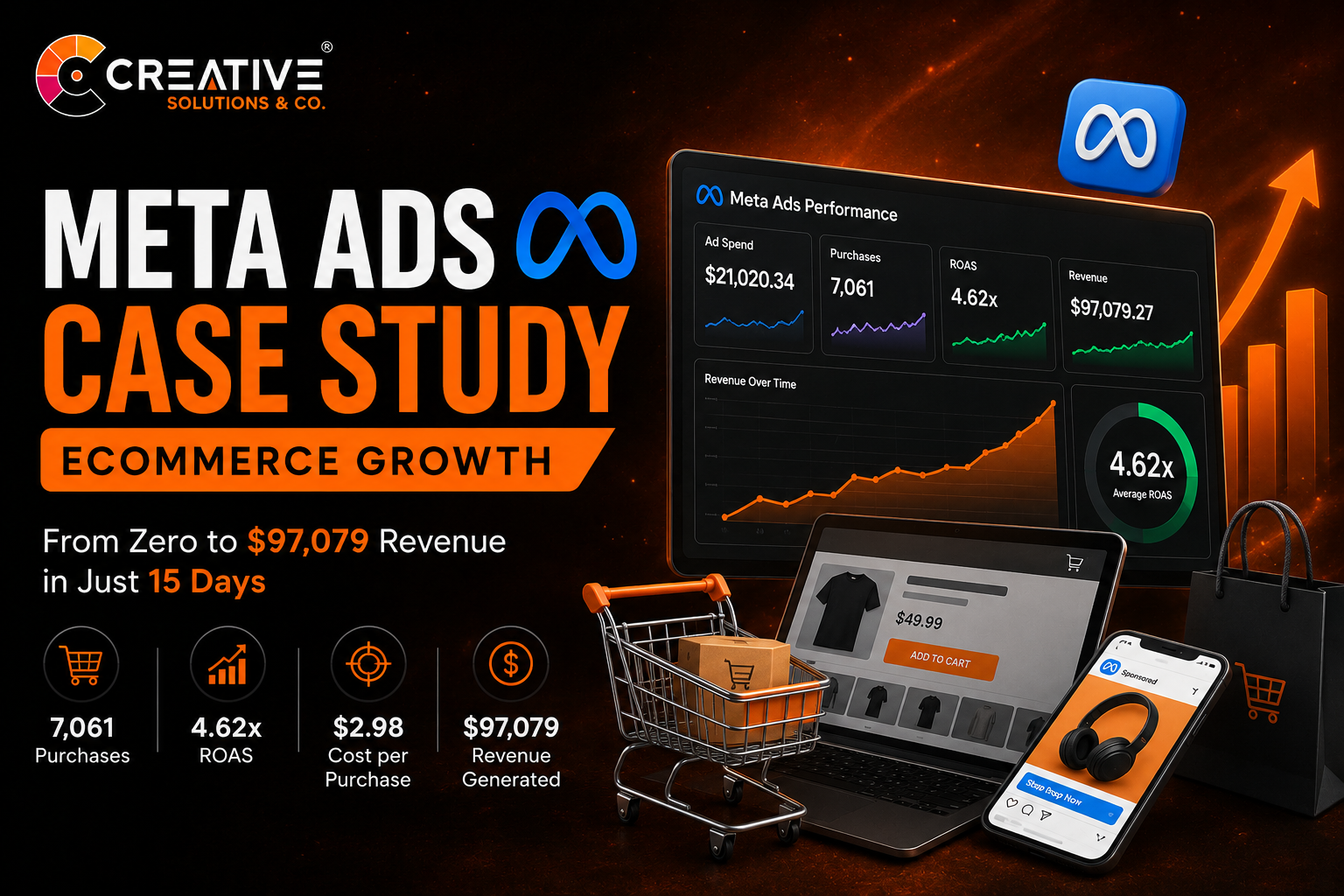
Meta Ads Case Study For Ecommerce Growth: From $0 to $97,079 Revenue in 15 Days

How We Scaled an Ecommerce Brand from Zero to $97,079 Revenue in 15 Days Using Meta Ads case study Launching a new ecommerce brand is difficult here is the meta ads case study for ecommerce growth Without historical purchase data, proven creatives, customer insights, or optimized audiences, most brands struggle to generate profitable sales in their early stages. The biggest challenge is not launching a store. The challenge is finding a scalable customer acquisition system that consistently generates revenue. In this Meta Ads case study, we’ll break down how our team helped an ecommerce brand go from zero sales to over $97,000 in tracked revenue within just 15 days using a structured Facebook and Instagram advertising strategy. If you’re looking for a Meta Ads agency that focuses on performance, testing, and scalability, this case study shows exactly how we approach ecommerce growth. The Challenge The brand approached us during its launch phase. Like most newly launched ecommerce businesses, it faced several challenges: This meant Meta’s algorithm had very little information available to optimize for purchases. Instead of looking for quick wins, our focus was building a foundation that could scale profitably. Our Meta Ads Strategy When launching a new ecommerce account, many advertisers make the mistake of scaling too aggressively before finding product-market fit. Our approach was different. We focused on three core pillars: 1. Creative Testing Creative performance determines the success of most Meta campaigns. We developed multiple creative variations focused on: This allowed us to identify winning messaging quickly and allocate spend toward the highest-performing creatives. 2. Data Collection Phase The first objective was not scale. The first objective was data. We launched multiple testing campaigns designed to gather: This accelerated Meta’s learning phase and improved optimization speed. 3. Purchase Optimization Once sufficient purchase signals were generated, budgets were gradually increased on winning ad sets. Rather than duplicating campaigns aggressively, we focused on controlled scaling to maintain efficiency and profitability. Campaign Results Within the first 15 days, the account achieved: Revenue Generated $97,079.27 Total Ad Spend $21,020.34 Total Purchases 7,061 Average Cost Per Purchase $2.98 Average Return on Ad Spend (ROAS) 4.62x These results demonstrate how a structured testing and scaling framework can rapidly accelerate ecommerce growth even without existing customer data. Top Performing Campaigns Not all campaigns perform equally. One of the biggest reasons advertisers struggle with Meta Ads is failing to identify winning assets early. The strongest-performing campaigns generated: Campaign #4 Key takeaway: This campaign demonstrated exceptional profitability and became a primary candidate for scaling. Campaign #2 Key takeaway: Consistent purchase volume with strong efficiency. Campaign #5 Key takeaway: Stable performance and strong scaling potential. Why Some Campaigns Underperformed Many business owners assume every campaign should generate a high ROAS immediately. That is not how successful Meta advertising works. Several test campaigns produced ROAS below 3x during the testing phase. This is normal. Testing is not wasted budget. Testing is how winning campaigns are discovered. We observed that lower-performing campaigns were primarily impacted by: These insights allowed us to redirect spend toward stronger-performing ad sets and improve overall account efficiency. Scaling Strategy Moving Forward Once profitable campaigns emerged, the next phase focused on sustainable growth. Our recommendations included: Increase Budgets Gradually Winning campaigns should be scaled incrementally by 20–30% per week to avoid disrupting Meta’s learning phase. Expand Retargeting Retargeting audiences were built around: Introduce Customer UGC User-generated content often becomes one of the strongest-performing creative formats for ecommerce brands. Launch Lookalike Audiences With new customer data available, lookalike audiences can help identify additional high-intent buyers. These strategies create a growth system capable of sustaining long-term profitability while increasing revenue. Key Lessons for Ecommerce Brands After managing Meta advertising campaigns across multiple industries, one pattern remains consistent: The brands that scale successfully focus on testing before scaling. The biggest lessons from this campaign include: Frequently Asked Questions How long does it take Meta Ads to become profitable? Most ecommerce campaigns require a testing period before achieving consistent profitability. The timeline depends on product demand, creative quality, pricing, and website conversion rate. What ROAS should an ecommerce business target? This varies by industry and margins, but many ecommerce brands aim for a minimum 3x ROAS while scaling. Are Meta Ads still effective in 2026? Yes. Meta remains one of the most powerful acquisition channels for ecommerce businesses due to its advanced machine learning capabilities and large audience reach. What is more important: targeting or creatives? Today, creatives often have a greater impact than audience targeting. Strong messaging and compelling content generally outperform highly complex targeting structures. Can a new ecommerce brand scale without existing customer data? Yes. This case study demonstrates how a brand with zero sales history successfully generated substantial revenue through strategic testing and optimization. Need Help Scaling Your Ecommerce Brand? At Creative Solutions & Co., we help ecommerce businesses generate more revenue through data-driven Meta Ads strategies, creative testing frameworks, and performance-focused campaign management. Whether you’re launching a new store or scaling an existing brand, our team can help you build a profitable customer acquisition system designed for long-term growth. Book a free consultation and discover how performance marketing can accelerate your ecommerce growth.