
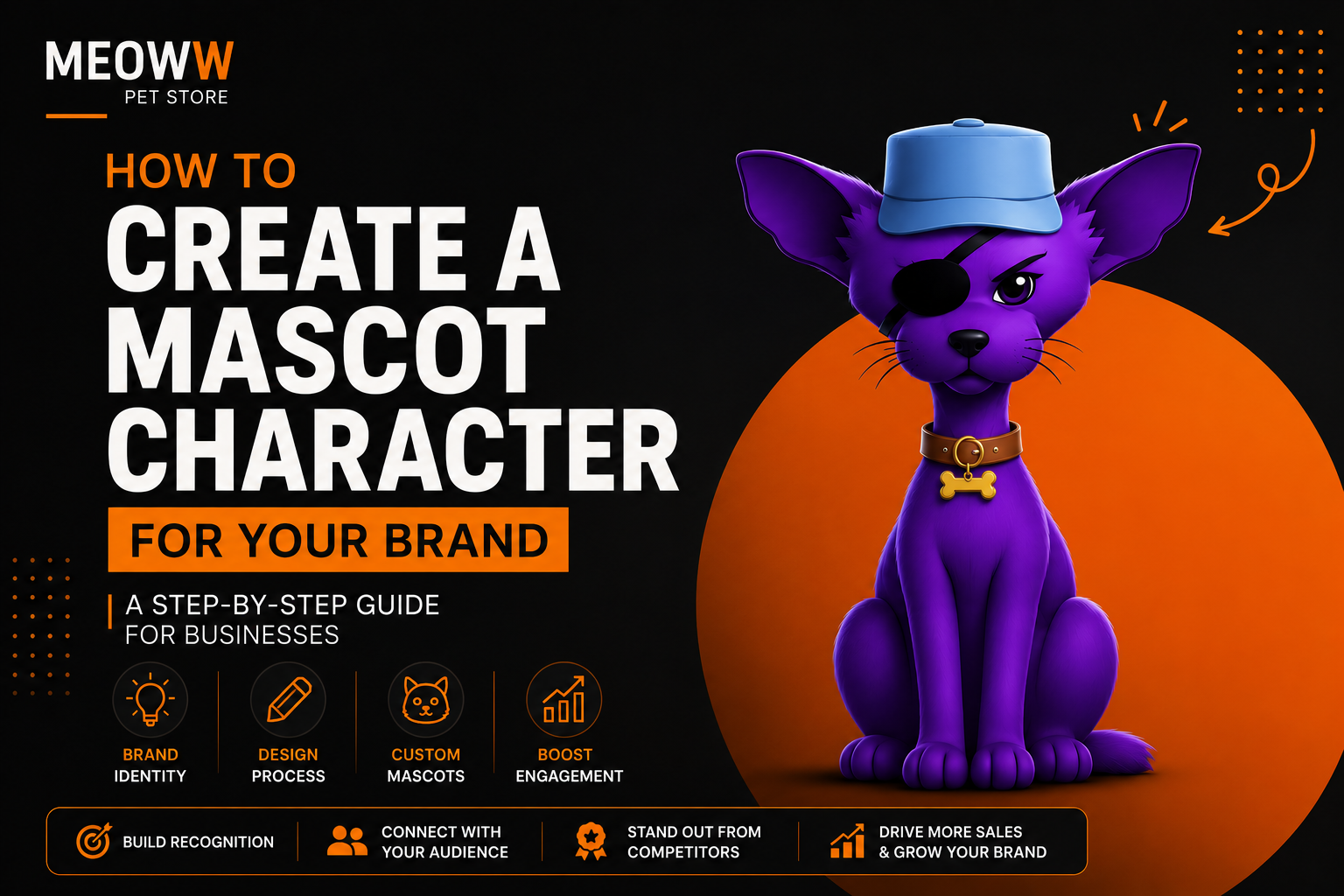
A great brand is more than a logo—it’s something people remember. One of the most effective ways to make your business memorable is by creating a mascot character that reflects your brand’s personality and values. From global food chains and sports teams to startups, gaming brands, and local businesses, mascot characters have become powerful branding assets that help companies stand out in competitive markets. Unlike generic icons or stock illustrations, a custom mascot gives your business a unique identity that customers can recognize instantly. It creates familiarity, builds trust, and adds personality to everything from your website and social media to product packaging and advertising campaigns. Whether you’re launching a new business or refreshing an existing brand, learning how to create a mascot character is an important step toward building a stronger visual identity. In this guide, we’ll explain the complete mascot design process, common mistakes to avoid, and how to develop a character that truly represents your brand. What Is a Brand Mascot? A brand mascot is a custom-designed character that visually represents a business or organization. Unlike a traditional logo, which may only include typography or symbols, a mascot introduces a personality that customers can connect with emotionally. Mascots can be: A well-designed mascot becomes the face of your brand and can appear consistently across: The goal isn’t simply to create an attractive illustration—it’s to create a memorable brand ambassador. Why Businesses Use Mascot Characters People naturally remember faces and personalities more easily than abstract symbols. That’s one reason mascot branding has remained effective for decades. A mascot gives customers something they can recognize instantly, making your business more memorable in crowded industries. Some of the biggest benefits include: Stronger Brand Recognition A distinctive mascot helps customers identify your business across different platforms and marketing materials. Emotional Connection Characters create familiarity and trust, making brands feel more approachable and relatable. Better Marketing Performance Mascots perform exceptionally well in advertisements, social media posts, videos, and merchandise because they capture attention quickly. Long-Term Brand Asset Unlike short-term marketing campaigns, a professionally designed mascot can represent your business for many years while evolving alongside your brand. Step 1: Define Your Brand Personality Before sketching ideas or choosing colours, define what your business represents. Your mascot should communicate the same personality as your brand. Ask yourself: For example: Your mascot should reinforce your brand—not confuse it. Step 2: Understand Your Target Audience The most successful mascot characters are designed with the audience in mind. A mascot that appeals to young gamers may not resonate with corporate executives. Similarly, a luxury brand requires a very different illustration style than a fast-food restaurant. Consider factors such as: The better you understand your audience, the easier it becomes to design a mascot they will remember and connect with. Step 3: Choose the Right Type of Mascot Not every mascot needs to be an animal or cartoon character. Different businesses benefit from different mascot styles. Animal Mascots Animals are among the most popular mascot choices because they naturally convey personality. For example: Human Mascots Human characters are commonly used by restaurants, service businesses, healthcare brands, and educational institutions. Examples include: These characters help customers associate a friendly face with the business. Food Mascots Restaurants, cafés, bakeries, and beverage brands often use illustrated food characters to make their branding more engaging and memorable. Popular examples include: Fantasy Characters Gaming brands, esports teams, and entertainment companies frequently use dragons, warriors, robots, monsters, or mythical creatures to create a powerful and distinctive identity. Object Mascots Everyday objects can also become memorable mascots when illustrated creatively. Examples include: This approach works particularly well for educational, technology, and service-based businesses. Step 4: Research Your Competitors Before developing your mascot, spend time analyzing businesses within your industry. Look for: The objective isn’t to copy competitors. It’s to identify opportunities to make your mascot more distinctive. A unique character helps customers remember your business instead of confusing it with others in the same market. Step 5: Start with Rough Sketches Professional mascot designers rarely begin directly on the computer. Instead, they explore multiple concepts through quick sketches. This stage allows ideas to develop without worrying about colours or fine details. Experiment with: Creating several concepts early helps you identify the strongest direction before investing time in detailed illustration. Step 6: Bring Your Mascot to Life Digitally Once you’ve selected the strongest sketch, it’s time to transform it into a polished digital illustration. Professional mascot designers typically use vector illustration software to ensure the mascot remains sharp and scalable across every application—from social media profile pictures to large-format billboards. During this stage, designers refine every detail, including: A professionally illustrated mascot should look equally impressive on a business card, a website header, or a vehicle wrap. Scalability is one of the biggest differences between professional mascot design and simple digital artwork. Step 7: Choose Colors That Match Your Brand Color plays a major role in how customers perceive your business. Your mascot should follow the same color palette as your overall brand identity to maintain consistency across all marketing materials. For example: Rather than choosing colors simply because they look attractive, select colors that reinforce your brand’s personality and appeal to your target audience. Step 8: Pair Your Mascot with the Right Typography A mascot should never exist in isolation. The typography accompanying your mascot is equally important because together they form your complete logo. When choosing fonts, consider: For example, a playful children’s brand may use rounded typography, while a corporate business may require cleaner, more professional lettering. The goal is to create harmony between the mascot and the business name. Step 9: Test Your Mascot Across Different Applications One of the biggest mistakes businesses make is approving a mascot without seeing how it performs in real-world situations. Before finalizing the design, visualize it across multiple branding materials, including: A mascot that looks excellent only on a white background but loses clarity on packaging or social media will create branding challenges later.