
News & Article

Tag: mascot

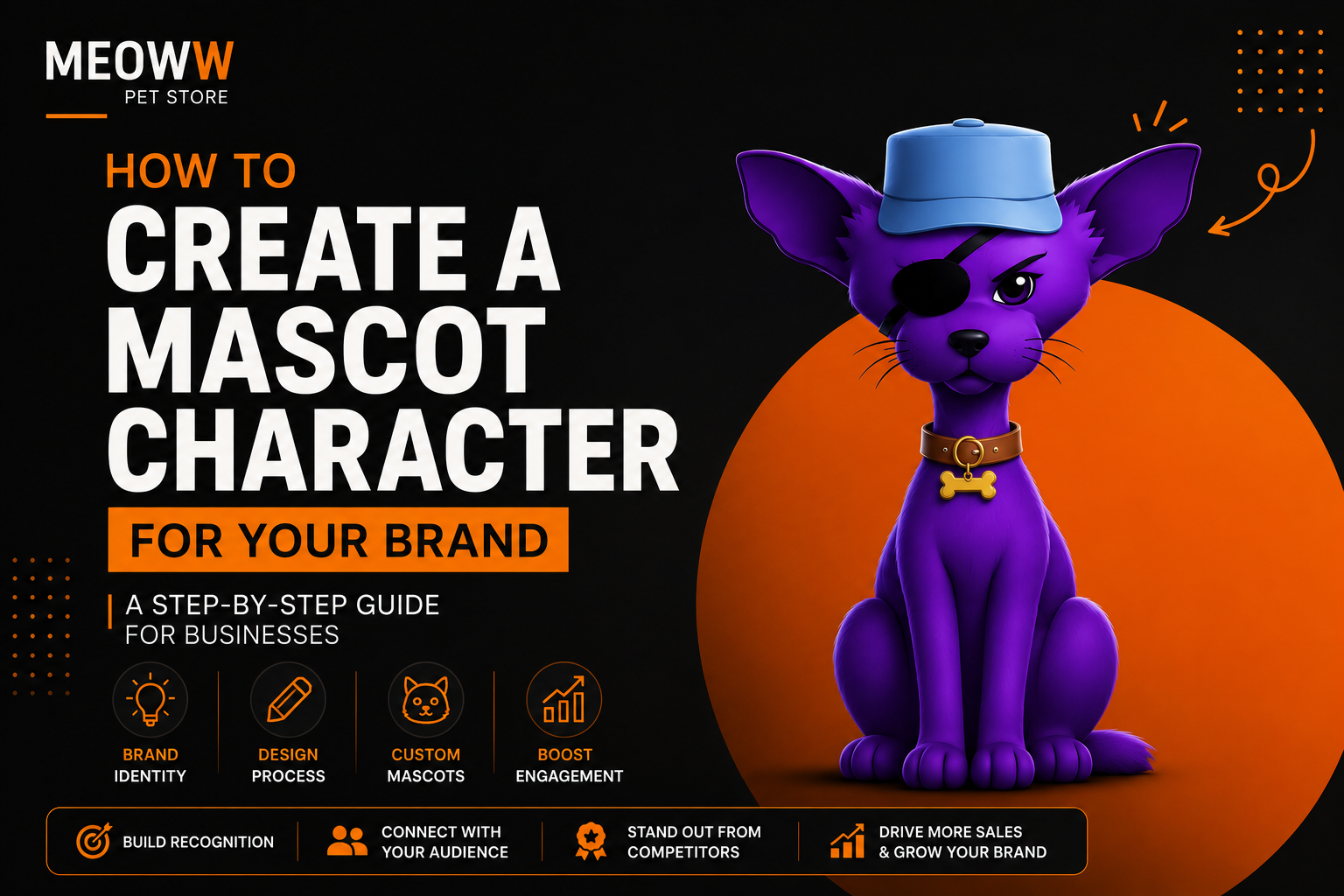
How to create a mascot character for your brand with a custom mascot illustration.
Mascot
How to Create a Mascot Character for Your Brand: A Step-by-Step Guide for Businesses

A great brand is more than a logo—it’s something people remember. One of the most effective ways to make your business memorable is by creating a mascot character that reflects your brand’s personality and values. From global food chains and sports teams to startups, gaming brands, and local businesses, mascot characters have become powerful branding assets that help companies stand out in competitive markets. Unlike generic icons or stock illustrations, a custom mascot gives your business a unique identity that customers can recognize instantly. It creates familiarity, builds trust, and adds personality to everything from your website and social media to product packaging and advertising campaigns. Whether you’re launching a new business or refreshing an existing brand, learning how to create a mascot character is an important step toward building a stronger visual identity. In this guide, we’ll explain the complete mascot design process, common mistakes to avoid, and how to develop a character that truly represents your brand. What Is a Brand Mascot? A brand mascot is a custom-designed character that visually represents a business or organization. Unlike a traditional logo, which may only include typography or symbols, a mascot introduces a personality that customers can connect with emotionally. Mascots can be: A well-designed mascot becomes the face of your brand and can appear consistently across: The goal isn’t simply to create an attractive illustration—it’s to create a memorable brand ambassador. Why Businesses Use Mascot Characters People naturally remember faces and personalities more easily than abstract symbols. That’s one reason mascot branding has remained effective for decades. A mascot gives customers something they can recognize instantly, making your business more memorable in crowded industries. Some of the biggest benefits include: Stronger Brand Recognition A distinctive mascot helps customers identify your business across different platforms and marketing materials. Emotional Connection Characters create familiarity and trust, making brands feel more approachable and relatable. Better Marketing Performance Mascots perform exceptionally well in advertisements, social media posts, videos, and merchandise because they capture attention quickly. Long-Term Brand Asset Unlike short-term marketing campaigns, a professionally designed mascot can represent your business for many years while evolving alongside your brand. Step 1: Define Your Brand Personality Before sketching ideas or choosing colours, define what your business represents. Your mascot should communicate the same personality as your brand. Ask yourself: For example: Your mascot should reinforce your brand—not confuse it. Step 2: Understand Your Target Audience The most successful mascot characters are designed with the audience in mind. A mascot that appeals to young gamers may not resonate with corporate executives. Similarly, a luxury brand requires a very different illustration style than a fast-food restaurant. Consider factors such as: The better you understand your audience, the easier it becomes to design a mascot they will remember and connect with. Step 3: Choose the Right Type of Mascot Not every mascot needs to be an animal or cartoon character. Different businesses benefit from different mascot styles. Animal Mascots Animals are among the most popular mascot choices because they naturally convey personality. For example: Human Mascots Human characters are commonly used by restaurants, service businesses, healthcare brands, and educational institutions. Examples include: These characters help customers associate a friendly face with the business. Food Mascots Restaurants, cafés, bakeries, and beverage brands often use illustrated food characters to make their branding more engaging and memorable. Popular examples include: Fantasy Characters Gaming brands, esports teams, and entertainment companies frequently use dragons, warriors, robots, monsters, or mythical creatures to create a powerful and distinctive identity. Object Mascots Everyday objects can also become memorable mascots when illustrated creatively. Examples include: This approach works particularly well for educational, technology, and service-based businesses. Step 4: Research Your Competitors Before developing your mascot, spend time analyzing businesses within your industry. Look for: The objective isn’t to copy competitors. It’s to identify opportunities to make your mascot more distinctive. A unique character helps customers remember your business instead of confusing it with others in the same market. Step 5: Start with Rough Sketches Professional mascot designers rarely begin directly on the computer. Instead, they explore multiple concepts through quick sketches. This stage allows ideas to develop without worrying about colours or fine details. Experiment with: Creating several concepts early helps you identify the strongest direction before investing time in detailed illustration. Step 6: Bring Your Mascot to Life Digitally Once you’ve selected the strongest sketch, it’s time to transform it into a polished digital illustration. Professional mascot designers typically use vector illustration software to ensure the mascot remains sharp and scalable across every application—from social media profile pictures to large-format billboards. During this stage, designers refine every detail, including: A professionally illustrated mascot should look equally impressive on a business card, a website header, or a vehicle wrap. Scalability is one of the biggest differences between professional mascot design and simple digital artwork. Step 7: Choose Colors That Match Your Brand Color plays a major role in how customers perceive your business. Your mascot should follow the same color palette as your overall brand identity to maintain consistency across all marketing materials. For example: Rather than choosing colors simply because they look attractive, select colors that reinforce your brand’s personality and appeal to your target audience. Step 8: Pair Your Mascot with the Right Typography A mascot should never exist in isolation. The typography accompanying your mascot is equally important because together they form your complete logo. When choosing fonts, consider: For example, a playful children’s brand may use rounded typography, while a corporate business may require cleaner, more professional lettering. The goal is to create harmony between the mascot and the business name. Step 9: Test Your Mascot Across Different Applications One of the biggest mistakes businesses make is approving a mascot without seeing how it performs in real-world situations. Before finalizing the design, visualize it across multiple branding materials, including: A mascot that looks excellent only on a white background but loses clarity on packaging or social media will create branding challenges later.


Mascot Logo Design Service Online
Design
Mascot Logo Design Service Online: Custom Mascot Logos That Make Your Brand Unforgettable

When you think about some of the world’s most recognizable brands, chances are you remember more than just their name—you remember a character. Whether it’s a friendly chef, a powerful tiger, a playful chicken, or a fearless gaming mascot, these characters create an emotional connection that ordinary logos often cannot. That’s exactly why mascot logos continue to grow in popularity across industries. Unlike traditional logos that rely on typography or abstract symbols, a mascot logo gives your brand a personality. It transforms your business into something customers can instantly recognize, remember, and connect with. For startups, restaurants, gaming brands, sports teams, YouTube creators, and businesses targeting families, a professionally designed mascot logo can become one of the most valuable assets in your entire brand identity. If you’re searching for a Mascot Logo Design Service Online, this guide will help you understand everything you need to know before investing in a custom mascot logo, including how they’re designed, who they’re best suited for, and what separates a professional mascot logo from generic illustrations or AI-generated artwork. What Is a Mascot Logo? A mascot logo is a custom-designed illustrated character that represents the personality of a business, organization, product, or community. Unlike a standard logo that may consist of only text or a simple icon, a mascot logo introduces a recognizable character that customers associate directly with your brand. The mascot becomes the face of your business. It appears across your website, packaging, uniforms, advertisements, social media, merchandise, and marketing campaigns, creating a consistent visual identity that customers begin to recognize over time. A professionally designed mascot logo is much more than an illustration. It combines storytelling, branding strategy, color psychology, typography, and character design into one cohesive identity. The objective isn’t simply to create an attractive character. The objective is to create a memorable brand ambassador that represents your business for years to come. Why Are Mascot Logos So Effective? People naturally remember faces, expressions, and personalities more easily than abstract symbols. This is one of the reasons mascot logos have remained effective for decades. A well-designed mascot creates familiarity. Customers don’t just recognize your logo—they recognize your character. That emotional recognition can influence purchasing decisions, strengthen brand recall, and encourage customer loyalty. Professional mascot logos also perform exceptionally well across digital marketing channels because they’re highly visual and instantly recognizable. Whether someone sees your brand on Instagram, YouTube, Facebook, product packaging, or a billboard, the mascot becomes a familiar face that reinforces your business identity. For brands competing in crowded industries, this recognition is a significant competitive advantage. Businesses That Benefit Most from Mascot Logo Design While almost any business can use a mascot logo, certain industries benefit particularly well from character-based branding. Restaurants & Fast Food Brands Food businesses often use mascots to create a friendly and memorable identity. A unique chicken, burger, chef, coffee cup, or pizza character immediately differentiates a restaurant from competitors and works exceptionally well on menus, packaging, signage, delivery boxes, and social media. Gaming & Esports Teams Gaming communities thrive on strong visual identities. Mascot logos help esports teams, gaming organizations, streamers, and content creators establish a recognizable brand across Twitch, YouTube, Discord, merchandise, and tournaments. A bold mascot communicates energy, confidence, and team spirit while creating a memorable identity that fans can rally behind. Sports Clubs & Schools Mascot branding has long been associated with sports organizations because it inspires loyalty and creates a sense of belonging. Schools, academies, universities, and sports clubs frequently use mascots to build community engagement while strengthening their visual identity. Children’s Brands Businesses targeting children naturally benefit from friendly, approachable characters. Whether it’s a toy company, daycare, educational platform, or children’s clothing brand, mascot logos help establish trust while making the brand more engaging and memorable. Startups Looking to Stand Out Many startups enter highly competitive markets where every business seems to use the same minimalist logo style. A professionally designed mascot logo immediately creates distinction. Instead of blending into the competition, your business gains a unique personality that customers remember long after they’ve left your website. Benefits of Choosing a Professional Mascot Logo Design Service A professionally designed mascot logo offers advantages that extend far beyond aesthetics. Stronger Brand Recognition People are far more likely to remember a distinctive character than a generic symbol. The more recognizable your brand becomes, the easier it is for customers to recall your business when they’re ready to make a purchase. Emotional Connection Mascots create personality. Customers interact with them almost like they would with a familiar character, helping your business feel more approachable and trustworthy. Greater Marketing Flexibility One of the biggest advantages of mascot branding is versatility. Your mascot can appear across: Rather than designing separate visuals for every campaign, your mascot becomes a consistent marketing asset that strengthens recognition wherever your audience encounters your brand. Long-Term Business Value Unlike marketing campaigns that stop generating results when your budget ends, a professionally designed mascot logo continues representing your business every single day. As your business grows, your mascot grows with it. It becomes a valuable part of your brand identity, helping customers recognize and trust your business across every platform. That’s why businesses that invest in professional mascot branding often benefit from stronger long-term brand recognition than businesses relying solely on generic logo designs. Why Businesses Choose Professional Designers Instead of AI Logo Generators AI tools can generate characters within seconds. However, speed doesn’t replace strategy. Most AI-generated mascot logos are created without understanding your business, industry, target audience, or long-term branding goals. As a result, they often lack originality, consistency, and commercial usability. A professional mascot logo designer creates a character specifically for your brand. Every design decision—from facial expression and pose to colors, typography, and illustration style—is based on your business objectives. The result is a mascot that doesn’t just look good but works effectively across marketing materials, digital platforms, and real-world branding. For businesses planning to build a lasting brand, investing in custom mascot logo