
News & Article

Day: June 22, 2026

WhatsApp Ads vs Lead Form Ads comparison showing lead quality, cost per lead, conversion rates, and Meta Ads strategy for businesses in 2026
Marketing
WhatsApp Ads vs Lead Form Ads: Which Generates Better Leads in 2026?

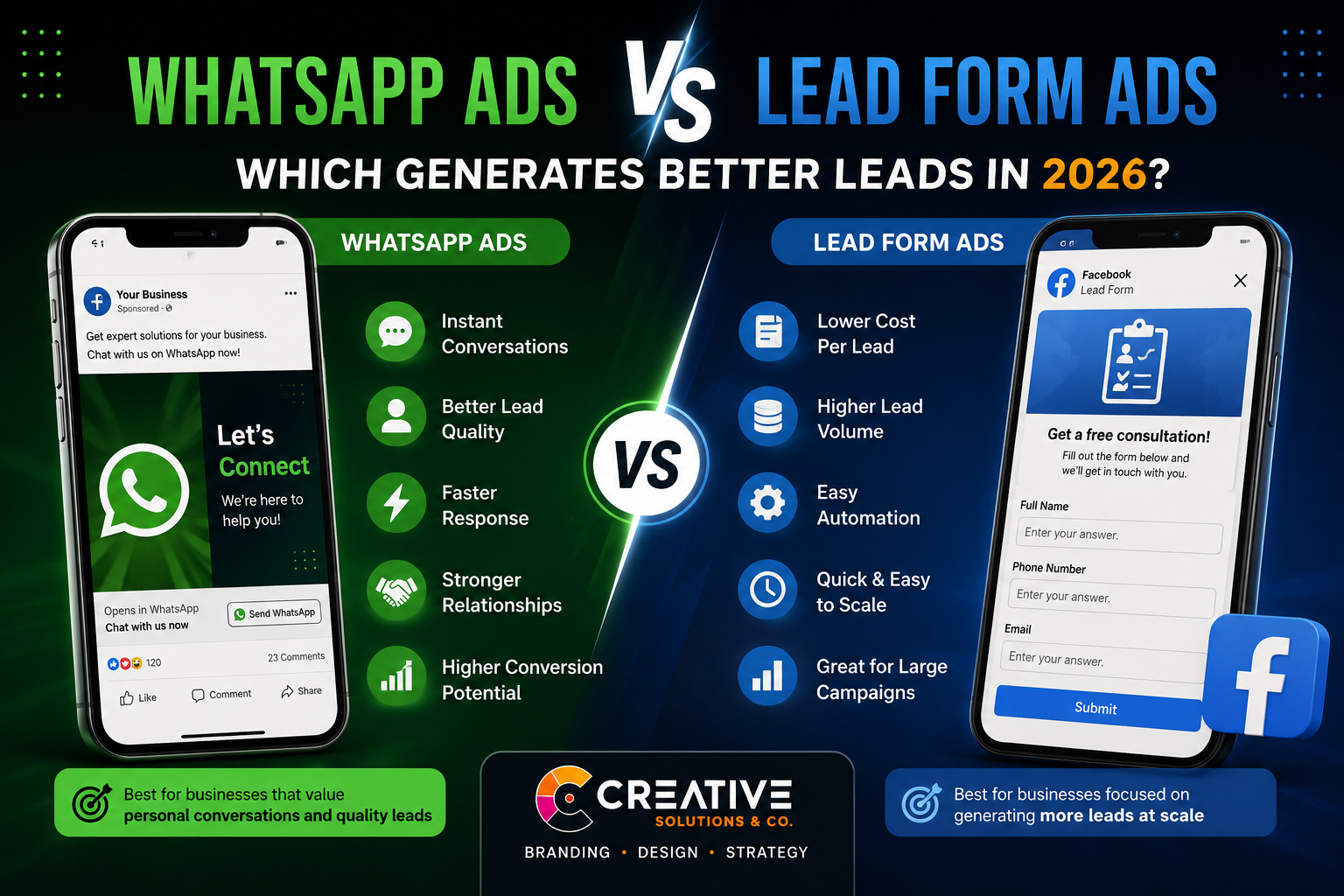
If you’re running Meta Ads to generate leads, you’ve probably asked yourself one important question: Should I use WhatsApp Ads vs Lead Form Ads? It’s one of the most common decisions businesses face when launching Facebook and Instagram advertising campaigns. Both options can generate leads, but they work very differently and often produce different results depending on your industry, sales process, and goals. Some businesses prioritize getting the maximum number of leads at the lowest possible cost. Others care more about lead quality, conversion rates, and actual revenue generation. The truth is that there is no one-size-fits-all answer. In this guide, we’ll compare WhatsApp Ads and Lead Form Ads in detail, discuss their advantages and disadvantages, and help you determine which option is best for your business in 2026. What Are WhatsApp Ads? WhatsApp Ads are Meta advertisements that send users directly into a WhatsApp conversation when they click on your ad. Instead of filling out a form, prospects can instantly message your business and start a conversation. The process is simple: This creates a more personal and interactive experience compared to traditional lead generation methods. Benefits of WhatsApp Ads Disadvantages of WhatsApp Ads For service-based businesses, WhatsApp Ads often create a more direct path to conversion because prospects can ask questions and receive answers immediately. What Are Lead Form Ads? Lead Form Ads, also known as Instant Forms, allow users to submit their information directly within Facebook or Instagram without leaving the platform. When a user clicks your advertisement, a form opens containing fields such as: The information is automatically submitted and stored for follow-up. Benefits of Lead Form Ads Disadvantages of Lead Form Ads Lead Form Ads can generate a large volume of leads, but businesses often need a strong follow-up process to convert those leads into paying customers. WhatsApp Ads vs Lead Form Ads: Key Differences Let’s compare both options across the factors that matter most. 1. Lead Quality Winner: WhatsApp Ads Lead quality is often the most important factor for businesses. A WhatsApp lead has already taken an additional step by choosing to start a conversation. This usually indicates stronger intent and higher interest. In many industries, WhatsApp leads are more likely to respond, engage, and eventually convert into customers. Lead Form Ads often attract users who submit forms quickly without thoroughly evaluating the offer. As a result, businesses frequently report a higher percentage of unqualified leads from Instant Forms. 2. Cost Per Lead Winner: Lead Form Ads Lead Form Ads generally produce a lower cost per lead because the process is easier for users. Since Meta automatically fills much of the user’s information, submissions require very little effort. WhatsApp Ads usually generate fewer leads for the same budget because starting a conversation requires more commitment. If your primary goal is volume, Lead Form Ads often perform better. 3. Conversion Rates Winner: Depends on Your Sales Process Many businesses focus only on cost per lead. However, the real metric that matters is conversion rate. A campaign generating 100 cheap leads that never convert is less valuable than a campaign generating 20 highly qualified leads that become customers. Businesses with strong sales teams often achieve excellent results with WhatsApp Ads because they can engage prospects immediately. Businesses with automated follow-up systems may perform well with Lead Form Ads. The best approach is to evaluate leads based on revenue generated rather than lead volume alone. 4. Speed of Communication Winner: WhatsApp Ads Speed matters in sales. With WhatsApp Ads, communication begins immediately after the click. Potential customers can: This immediate interaction helps build trust and shortens the buying journey. Lead Form Ads introduce an extra step because the business must contact the lead after the form submission. Any delay can reduce conversion opportunities. 5. Automation and Scalability Winner: Lead Form Ads Lead Form Ads are easier to automate. Businesses can connect Meta forms to: For organizations handling hundreds or thousands of leads monthly, automation becomes essential. While WhatsApp automation tools exist, managing large volumes of conversations can still be challenging. When Should You Use WhatsApp Ads? WhatsApp Ads work particularly well for businesses that require consultation or discussion before making a sale. Examples include: Branding Agencies Clients often want to discuss pricing, timelines, and project requirements before committing. Marketing Agencies Prospects typically have questions about strategy, results, and budgets. Real Estate Companies Buyers want information about locations, pricing, and availability. Construction Companies Projects often require detailed discussions and quotations. Healthcare Providers Patients frequently need information before booking appointments. Consultants Consultation-based businesses benefit from direct conversations. If your business relies heavily on trust and relationship-building, WhatsApp Ads are often the better choice. When Should You Use Lead Form Ads? Lead Form Ads are ideal when speed and volume matter. They are particularly effective for: Recruitment Campaigns Collecting applications quickly from a large audience. Event Registrations Gathering attendee information efficiently. Educational Institutions Generating inquiries at scale. Insurance Companies Collecting prospect information for follow-up. Large Sales Teams Businesses with dedicated sales departments capable of handling large lead volumes. If your primary objective is collecting as many leads as possible, Lead Form Ads can be highly effective. Common Mistakes Businesses Make Regardless of which campaign type you choose, certain mistakes can reduce results. Responding Too Slowly The faster you respond, the higher your chances of conversion. Focusing Only on Cost Per Lead Cheap leads are not always profitable leads. Asking Too Many Questions Long forms often reduce conversion rates. Poor Ad Creatives Even the best campaign structure cannot compensate for weak ad creatives. No Lead Qualification Process Without qualification, sales teams waste time on unqualified prospects. No Follow-Up System Many businesses lose leads because they fail to follow up consistently. Which Option Generates Better Leads? For most service-based businesses, WhatsApp Ads tend to produce higher-quality leads because prospects engage in direct conversations before making decisions. For businesses focused on lead volume and automation, Lead Form Ads often generate more leads at a lower cost. The right choice depends on your objectives.

Startup Branding Checklist
Branding
Startup Branding Checklist: Everything You Need Before Launching Your Business in 2026

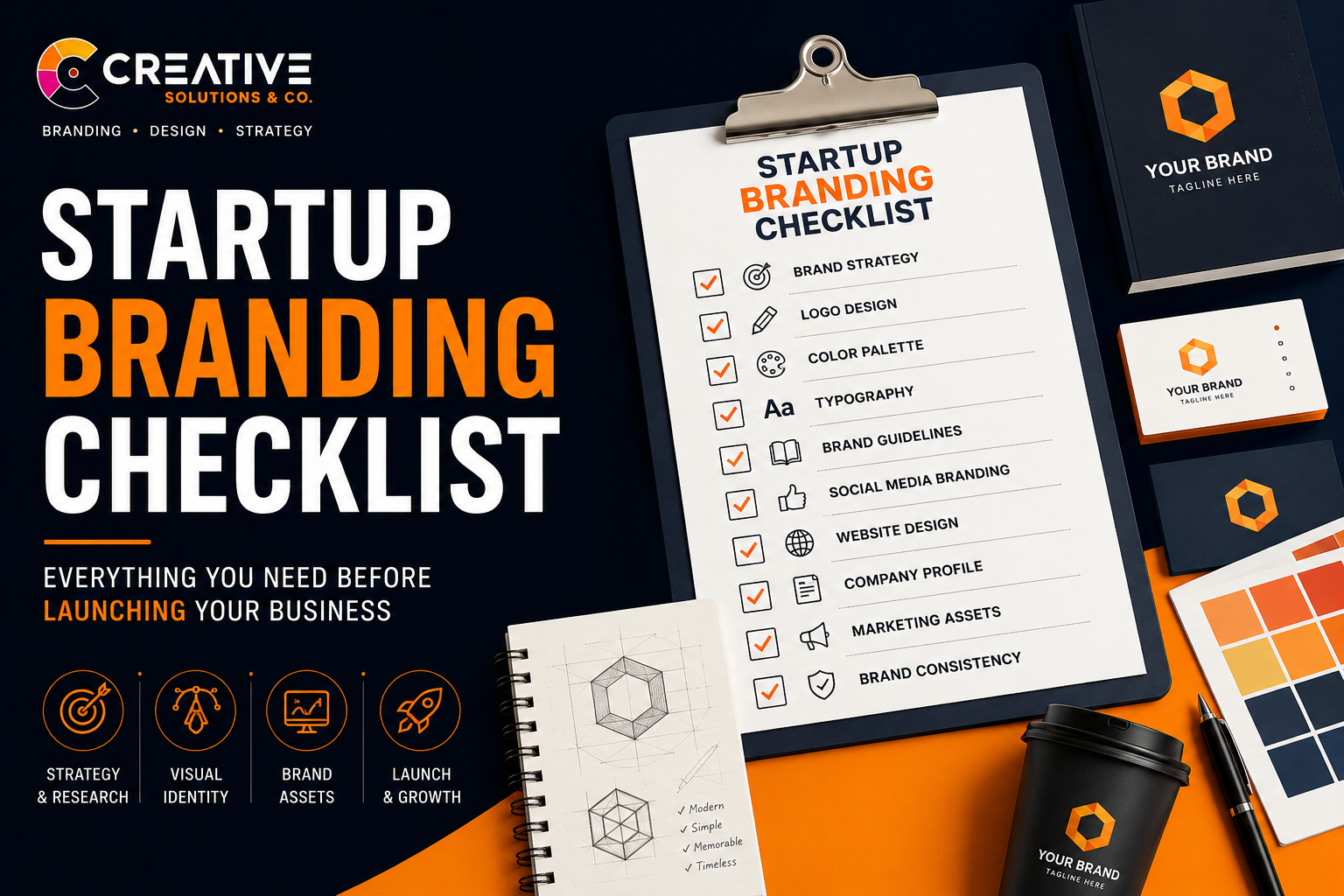
Launching a startup is exciting. You’ve spent countless hours refining your product, planning your services, and preparing to enter the market. But there’s one critical element many entrepreneurs overlook until it’s too late: branding. A strong brand is more than just a logo or a color scheme. It’s the way customers perceive your business, remember your company, and decide whether they trust you enough to buy from you. In today’s competitive marketplace, startups that invest in branding from day one often have a significant advantage over those that don’t. Many business owners assume branding can wait until later. Unfortunately, that approach often leads to inconsistent messaging, weak visual identity, and a lack of credibility. Rebranding after launch is usually more expensive and time-consuming than getting it right from the start. Whether you’re launching an eCommerce store, a tech startup, a consulting firm, a restaurant, or a service-based business, this startup branding checklist will help you build a professional brand identity that creates trust and supports long-term growth. Why Branding Matters Before You Launch Before a customer contacts your business, visits your office, or purchases your product, they form an impression based on your branding. Think about some of the world’s most recognizable brands. Companies like Apple, Nike, and Airbnb are not successful simply because of their logos. They have built complete brand systems that communicate trust, professionalism, and consistency across every customer touchpoint. For startups, branding helps: Without a clear brand identity, even great products can struggle to gain attention in crowded markets. 1. Define Your Brand Strategy Every successful brand starts with a strategy. Before designing a logo or choosing colors, you need to understand what your business stands for and who it serves. Ask yourself the following questions: Your answers will form the foundation of your brand identity and influence every future branding decision. A brand strategy acts as a roadmap that ensures your messaging, visuals, and customer experience remain aligned as your business grows. 2. Identify Your Ideal Customer One of the biggest branding mistakes startups make is trying to appeal to everyone. The reality is that strong brands are built around a specific audience. To identify your ideal customer, consider: For example, the branding approach for a luxury real estate company will be completely different from the branding approach for a youth-focused clothing brand. The better you understand your audience, the easier it becomes to create messaging and visuals that resonate with them. 3. Research Your Competitors Competitor research helps you understand what already exists in the market and identify opportunities to stand out. Review the branding of competitors within your industry and pay attention to: The goal isn’t to copy competitors. It’s to identify gaps and create a unique position for your business. Strong branding doesn’t blend in. It stands out. 4. Create a Professional Logo Your logo is often the first visual representation of your business that customers will encounter. A professionally designed logo should be: A complete logo system typically includes: Remember, your logo is just one piece of your branding. It should work as part of a larger identity system rather than existing on its own. 5. Choose a Strategic Color Palette Colors play a major role in brand perception and emotional response. Different colors can communicate different messages: Choose a primary color palette that reflects your brand personality and remains consistent across all marketing materials. Most startups benefit from: Consistency is far more important than complexity. 6. Select Brand Typography Typography is often overlooked, but it significantly impacts how professional your brand appears. Your chosen fonts should be: Most brands use: Avoid using too many different typefaces, as this can make your brand look inconsistent and unprofessional. 7. Create Brand Guidelines Brand guidelines ensure consistency across every platform and marketing channel. A professional brand guide should include: As your business grows and new team members join, brand guidelines help maintain a consistent customer experience. 8. Design Essential Business Assets Every startup should have professionally designed business assets ready before launch. These may include: These materials contribute to a polished and professional brand image. 9. Build Consistent Social Media Branding Social media is often one of the first places potential customers interact with your business. Ensure your social profiles include: A strong social media presence reinforces trust and helps create brand recognition over time. 10. Prepare a Professional Company Profile A company profile is an essential branding asset, particularly for B2B businesses, consultants, agencies, construction companies, and businesses targeting international markets. Your company profile should communicate: Many startups lose valuable opportunities because they lack a professionally designed company profile when potential clients request one. 11. Create a Professional Website Your website serves as your digital headquarters. A professionally branded website should include: Your website should align with the rest of your branding in terms of colors, typography, messaging, and overall user experience. 12. Prepare Marketing Materials Before Launch Before announcing your business, make sure you have essential marketing assets ready. Examples include: Having these materials prepared in advance ensures a smooth and professional launch. 13. Ensure Brand Consistency Across Every Platform One of the biggest factors influencing brand trust is consistency. Your website, social media profiles, marketing materials, packaging, advertisements, and communications should all feel like they belong to the same brand. Customers should instantly recognize your business regardless of where they encounter it. Consistency builds familiarity, and familiarity builds trust. Common Startup Branding Mistakes Even well-funded startups make branding mistakes that can damage growth. Some of the most common include: Relying on Cheap Generic Logos A logo downloaded from a template marketplace rarely creates a strong brand identity. Copying Competitors Trying to imitate successful brands often results in a lack of differentiation. Ignoring Brand Guidelines Without clear guidelines, branding quickly becomes inconsistent. Inconsistent Social Media Presence Using different styles, colors, and messaging across platforms weakens brand recognition. Treating Branding as an Afterthought Branding should be part of the business strategy from day one—not something added later. Startup Branding Checklist Summary