Launching a startup is exciting. You’ve spent countless hours refining your product, planning your services, and preparing to enter the market. But there’s one critical element many entrepreneurs overlook until it’s too late: branding.
A strong brand is more than just a logo or a color scheme. It’s the way customers perceive your business, remember your company, and decide whether they trust you enough to buy from you. In today’s competitive marketplace, startups that invest in branding from day one often have a significant advantage over those that don’t.
Many business owners assume branding can wait until later. Unfortunately, that approach often leads to inconsistent messaging, weak visual identity, and a lack of credibility. Rebranding after launch is usually more expensive and time-consuming than getting it right from the start.
Whether you’re launching an eCommerce store, a tech startup, a consulting firm, a restaurant, or a service-based business, this startup branding checklist will help you build a professional brand identity that creates trust and supports long-term growth.
Why Branding Matters Before You Launch
Before a customer contacts your business, visits your office, or purchases your product, they form an impression based on your branding.
Think about some of the world’s most recognizable brands. Companies like Apple, Nike, and Airbnb are not successful simply because of their logos. They have built complete brand systems that communicate trust, professionalism, and consistency across every customer touchpoint.
For startups, branding helps:
- Build credibility and trust
- Differentiate from competitors
- Create memorable customer experiences
- Improve marketing effectiveness
- Increase customer loyalty
- Support premium pricing strategies
Without a clear brand identity, even great products can struggle to gain attention in crowded markets.
1. Define Your Brand Strategy
Every successful brand starts with a strategy.
Before designing a logo or choosing colors, you need to understand what your business stands for and who it serves.
Ask yourself the following questions:
- Why does your business exist?
- What problem are you solving?
- What makes your company different?
- What values drive your business?
- What long-term vision do you have for your brand?
Your answers will form the foundation of your brand identity and influence every future branding decision.
A brand strategy acts as a roadmap that ensures your messaging, visuals, and customer experience remain aligned as your business grows.
2. Identify Your Ideal Customer
One of the biggest branding mistakes startups make is trying to appeal to everyone.
The reality is that strong brands are built around a specific audience.
To identify your ideal customer, consider:
- Age group
- Gender
- Location
- Income level
- Interests
- Challenges
- Buying behavior
For example, the branding approach for a luxury real estate company will be completely different from the branding approach for a youth-focused clothing brand.
The better you understand your audience, the easier it becomes to create messaging and visuals that resonate with them.
3. Research Your Competitors
Competitor research helps you understand what already exists in the market and identify opportunities to stand out.
Review the branding of competitors within your industry and pay attention to:
- Logo styles
- Color schemes
- Website design
- Social media presence
- Brand messaging
- Customer reviews
The goal isn’t to copy competitors. It’s to identify gaps and create a unique position for your business.
Strong branding doesn’t blend in. It stands out.
4. Create a Professional Logo
Your logo is often the first visual representation of your business that customers will encounter.
A professionally designed logo should be:
- Simple
- Memorable
- Scalable
- Versatile
- Relevant to your industry
A complete logo system typically includes:
- Primary logo
- Secondary logo
- Icon or symbol
- Black and white versions
- Horizontal and vertical variations
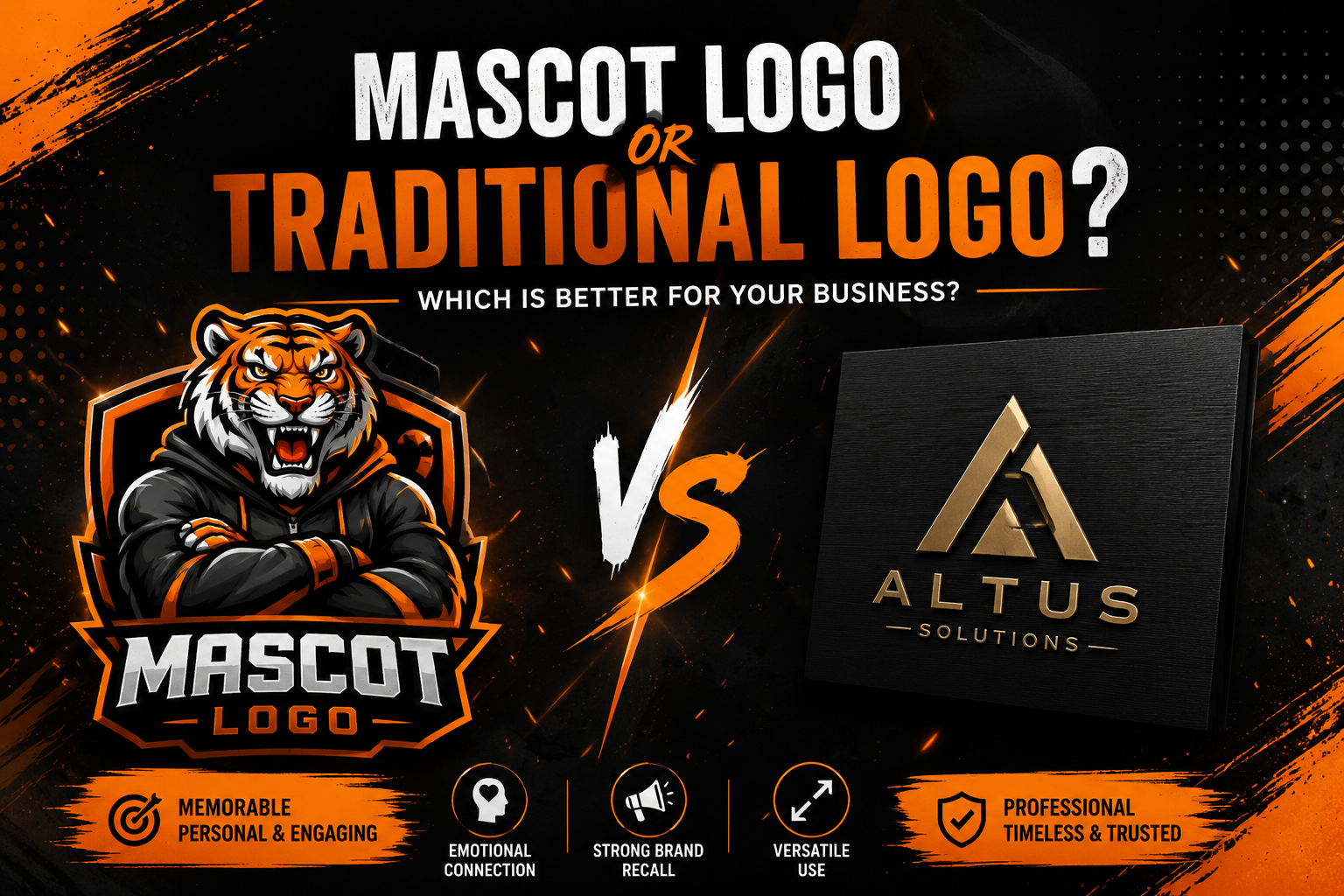
Remember, your logo is just one piece of your branding. It should work as part of a larger identity system rather than existing on its own.
5. Choose a Strategic Color Palette
Colors play a major role in brand perception and emotional response.
Different colors can communicate different messages:
- Blue often represents trust and professionalism
- Green can symbolize growth and sustainability
- Red creates energy and urgency
- Black conveys sophistication and luxury
- Orange represents creativity and enthusiasm
Choose a primary color palette that reflects your brand personality and remains consistent across all marketing materials.
Most startups benefit from:
- One primary brand color
- Two supporting colors
- Neutral colors for backgrounds and text
Consistency is far more important than complexity.
6. Select Brand Typography
Typography is often overlooked, but it significantly impacts how professional your brand appears.
Your chosen fonts should be:
- Easy to read
- Consistent across platforms
- Aligned with your brand personality
Most brands use:
- One heading font
- One body font
- Optional accent font
Avoid using too many different typefaces, as this can make your brand look inconsistent and unprofessional.
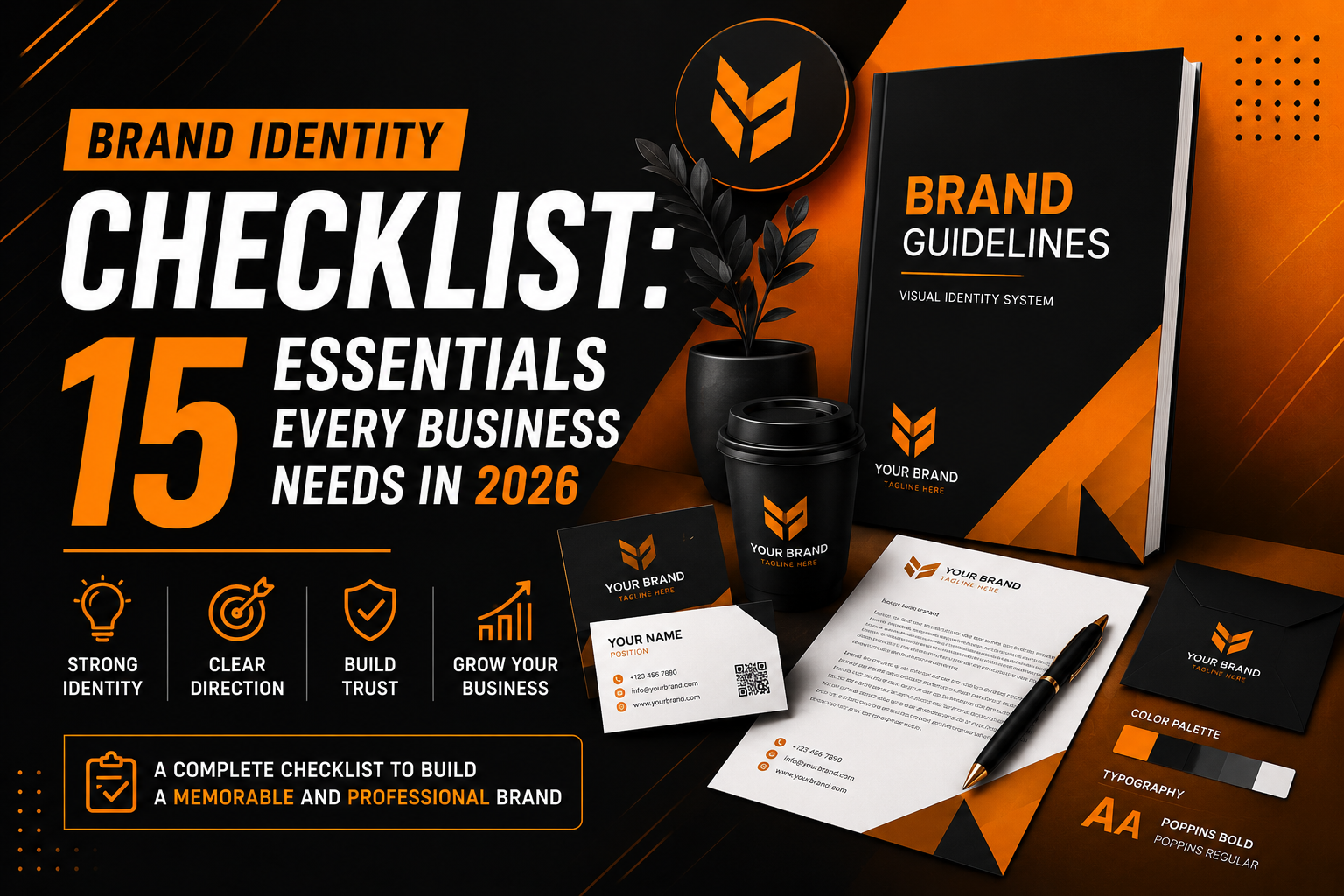
7. Create Brand Guidelines
Brand guidelines ensure consistency across every platform and marketing channel.
A professional brand guide should include:
- Logo usage rules
- Color codes
- Typography specifications
- Image style guidelines
- Brand voice and tone
- Spacing requirements
- Do’s and don’ts
As your business grows and new team members join, brand guidelines help maintain a consistent customer experience.
8. Design Essential Business Assets
Every startup should have professionally designed business assets ready before launch.
These may include:
- Business cards
- Letterheads
- Email signatures
- Proposal templates
- Invoice templates
- Presentation templates
These materials contribute to a polished and professional brand image.
9. Build Consistent Social Media Branding
Social media is often one of the first places potential customers interact with your business.
Ensure your social profiles include:
- Consistent profile photos
- Professional cover images
- Branded post templates
- Consistent visual style
- Clear business information
A strong social media presence reinforces trust and helps create brand recognition over time.
10. Prepare a Professional Company Profile
A company profile is an essential branding asset, particularly for B2B businesses, consultants, agencies, construction companies, and businesses targeting international markets.
Your company profile should communicate:
- Who you are
- What you do
- Your services
- Your experience
- Your achievements
- Contact information
Many startups lose valuable opportunities because they lack a professionally designed company profile when potential clients request one.
11. Create a Professional Website
Your website serves as your digital headquarters.
A professionally branded website should include:
- Home page
- About page
- Service pages
- Portfolio or case studies
- Testimonials
- Contact information
Your website should align with the rest of your branding in terms of colors, typography, messaging, and overall user experience.
12. Prepare Marketing Materials Before Launch
Before announcing your business, make sure you have essential marketing assets ready.
Examples include:
- Brochures
- Sales presentations
- Social media creatives
- Advertising visuals
- Product catalogs
- Pitch decks
Having these materials prepared in advance ensures a smooth and professional launch.
13. Ensure Brand Consistency Across Every Platform
One of the biggest factors influencing brand trust is consistency.
Your website, social media profiles, marketing materials, packaging, advertisements, and communications should all feel like they belong to the same brand.
Customers should instantly recognize your business regardless of where they encounter it.
Consistency builds familiarity, and familiarity builds trust.
Common Startup Branding Mistakes
Even well-funded startups make branding mistakes that can damage growth.
Some of the most common include:
Relying on Cheap Generic Logos
A logo downloaded from a template marketplace rarely creates a strong brand identity.
Copying Competitors
Trying to imitate successful brands often results in a lack of differentiation.
Ignoring Brand Guidelines
Without clear guidelines, branding quickly becomes inconsistent.
Inconsistent Social Media Presence
Using different styles, colors, and messaging across platforms weakens brand recognition.
Treating Branding as an Afterthought
Branding should be part of the business strategy from day one—not something added later.
Startup Branding Checklist Summary
Before launching your business, make sure you have:
✓ Defined your brand strategy
✓ Identified your target audience
✓ Researched competitors
✓ Designed a professional logo
✓ Selected brand colors
✓ Chosen typography
✓ Created brand guidelines
✓ Designed business assets
✓ Branded your social media profiles
✓ Prepared a company profile
✓ Built a professional website
✓ Created marketing materials
✓ Ensured brand consistency
Final Thoughts
A successful startup is built on more than a great product or service. Branding plays a critical role in how customers perceive your business, remember your company, and decide whether they trust you.
The strongest brands don’t happen by accident. They are carefully planned, strategically designed, and consistently executed.
Before launching your startup, use this checklist to ensure your brand is positioned for long-term success. Investing in branding early can save time, reduce future costs, and create a strong foundation for sustainable growth.
FAQs
A startup branding checklist is a step-by-step guide that helps businesses create a strong brand identity before launch. It typically includes brand strategy, logo design, color selection, typography, brand guidelines, social media branding, company profiles, and website development.
Branding helps startups build trust, stand out from competitors, and create a memorable impression. A strong brand identity can improve customer recognition, increase credibility, and support long-term business growth.
A startup brand identity should include a professional logo, color palette, typography, brand guidelines, messaging, visual assets, and consistent branding across websites, social media, and marketing materials.
Startup branding costs vary depending on the scope of work. Basic branding packages may include logo design and brand colors, while comprehensive branding packages can include brand strategy, company profiles, website design, social media branding, and brand guidelines.
No. A logo is only one part of a brand identity. Effective branding also includes messaging, visual identity, brand guidelines, customer perception, and consistent communication across all platforms.
Startups should invest in branding before launching their business. Creating a strong brand identity from the beginning helps establish trust, attract customers, and avoid costly rebranding efforts later.
Common startup branding mistakes include using generic logo templates, copying competitors, inconsistent visual identity, lack of brand guidelines, and treating branding as an afterthought rather than a business strategy.