Many business owners believe that once they have a logo, their branding is complete.
It’s one of the most common misconceptions in business.
A professionally designed logo is important, but it is only one piece of a much larger puzzle. The brands people trust, remember, and choose repeatedly are not built on logos alone. They are built on complete brand identities.
Whether you’re launching a startup, growing an established business, or considering a rebrand, understanding the difference between brand identity and logo design can help you make smarter business decisions and avoid costly branding mistakes.
In this guide, we’ll break down the differences, explain why they matter, and help you determine what your business actually needs.
What Is a Logo?
A logo is a visual symbol used to identify a business, product, or organization.
Think of it as the face of your business.
Some of the world’s most recognizable logos include:
A logo is designed to help people recognize and remember your business quickly.
Depending on the style, a logo may include:
- A symbol or icon
- A wordmark (text-only logo)
- A combination of text and symbol
- A monogram
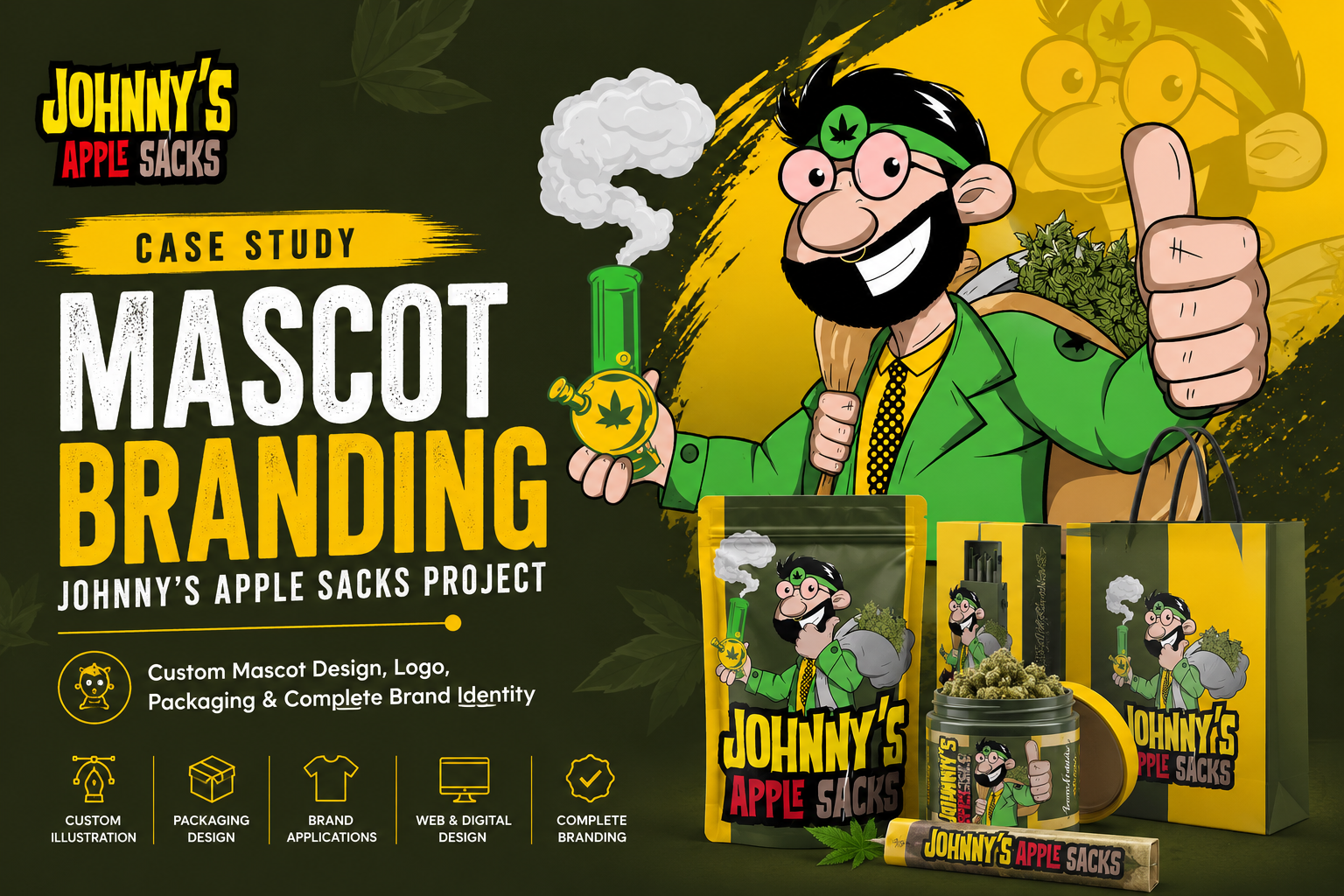
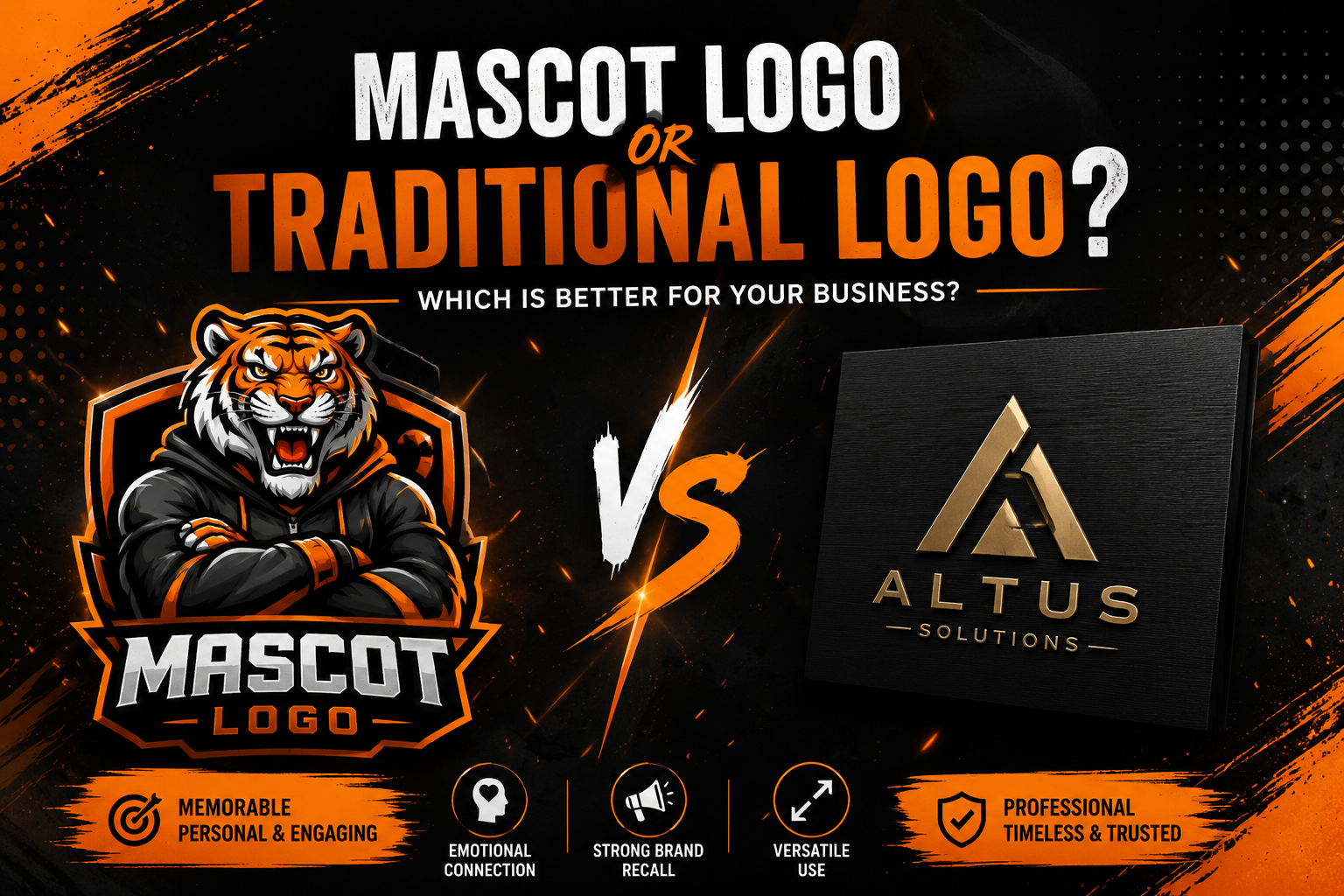
- A mascot
A good logo should be:
- Simple
- Memorable
- Scalable
- Versatile
- Relevant to your industry
However, no matter how well designed it is, a logo alone cannot communicate everything about your business.
That’s where brand identity comes in.
What Is Brand Identity?
Brand identity is the complete visual system that represents your business.
It includes your logo, but it extends far beyond it.
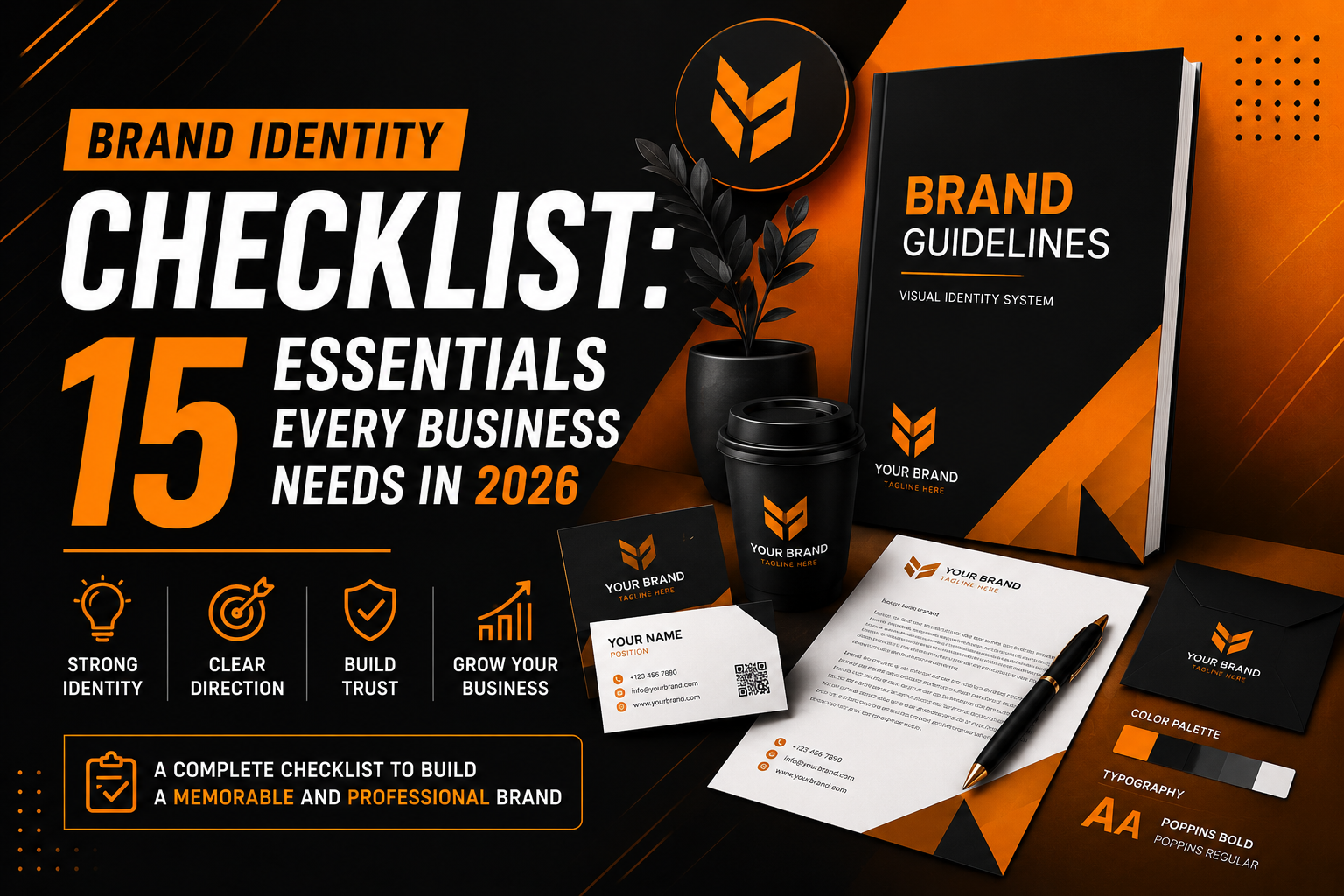
A professional brand identity typically includes:
- Logo system
- Color palette
- Typography
- Brand guidelines
- Visual style
- Graphic elements
- Social media branding
- Business stationery
- Website visual direction
- Marketing materials
If your logo is the face of your business, your brand identity is its entire personality.
Brand identity helps customers recognize your business consistently across every touchpoint, from your website and social media profiles to your packaging, advertisements, and company presentations.
It creates a cohesive experience that builds trust and recognition over time.
Brand Identity vs Logo Design: Key Differences
| Logo Design | Brand Identity |
|---|---|
| Single visual asset | Complete visual system |
| Helps identify a business | Shapes customer perception |
| One design element | Multiple branded assets |
| Limited scope | Comprehensive branding solution |
| Lower initial investment | Long-term brand-building investment |
| Focuses on recognition | Focuses on consistency and trust |
| Can exist independently | Includes logo as one component |
The easiest way to understand the difference is this:
A logo helps customers recognize your business.
A brand identity helps customers remember, trust, and choose your business.
Why a Logo Alone Is Not Enough
Imagine two companies offering the exact same service.
Business A
Has a professionally designed logo.
That’s it.
Their website uses different colors than their social media profiles.
Marketing materials look inconsistent.
Their proposals and presentations don’t follow any visual standards.
Business B
Has a logo, color system, typography, brand guidelines, social media branding, website consistency, and professional marketing materials.
Every customer interaction feels connected.
Which business appears more trustworthy?
business feels more established?
Which business would you be more comfortable paying premium prices to?
Most people choose Business B.
Not because of the logo.
Because of the complete brand identity.
The Hidden Cost of Logo-Only Branding
Many startups try to save money by investing only in logo design.
While this may seem like a cost-effective decision initially, it often creates challenges later.
Common problems include:
Inconsistent Marketing
Different designers use different colors, fonts, and styles.
Your business starts looking fragmented.
Weak Brand Recognition
Customers struggle to connect your website, social media, advertisements, and printed materials.
Reduced Trust
Inconsistency often appears unprofessional.
Customers may question the credibility of your business.
Higher Long-Term Costs
Many businesses eventually pay for a complete rebrand because they skipped foundational branding in the beginning.
What seems like a saving today often becomes a larger expense tomorrow.
Real-World Example
Imagine launching a new coffee brand.
Option 1: Logo Only
You receive:
- One logo
- One file format
Now you still need:
- Brand colors
- Packaging design
- Social media templates
- Website styling
- Typography
- Marketing materials
Every decision must be made separately.
Consistency becomes difficult.
Option 2: Complete Brand Identity
You receive:
- Logo system
- Brand colors
- Typography
- Packaging direction
- Social media branding
- Brand guidelines
- Marketing assets
Everything works together from day one.
Customers experience the same brand everywhere.
This consistency is what helps businesses grow faster and build stronger customer trust.
When Does Your Business Only Need a Logo?
There are situations where investing in logo design alone makes sense.
Examples include:
- Personal side projects
- Temporary ventures
- Small local events
- Testing a business concept
- Hobby brands
If you’re simply validating an idea, a logo may be sufficient for the short term.
However, once the business begins growing, branding becomes increasingly important.
When Does Your Business Need a Full Brand Identity?
Most growth-focused businesses benefit from professional brand identity design.
Examples include:
Startups
Startups need credibility from day one.
A complete brand identity helps create trust with customers, partners, and investors.
E-commerce Stores
Strong branding increases customer confidence and encourages repeat purchases.
Agencies
Marketing, branding, and consulting agencies must present themselves professionally.
Construction Companies
Brand consistency helps establish authority and trust.
Restaurants and Cafes
Brand identity directly influences customer perception and experience.
Healthcare Businesses
Trust and professionalism are essential.
Corporate Businesses
Consistent branding supports long-term growth and recognition.
If your goal is to build a business rather than simply launch a project, investing in brand identity is often the smarter decision.
Benefits of Professional Brand Identity Design
Better Brand Recognition
Consistent branding makes your business easier to recognize across platforms.
Increased Customer Trust
Professional branding creates confidence and credibility.
Higher Perceived Value
Strong brands can often charge premium prices because customers perceive them as more valuable.
More Effective Marketing
Consistent visual communication improves advertising performance and brand recall.
Stronger Customer Loyalty
Customers are more likely to remember and return to brands they recognize and trust.
Easier Business Growth
A solid brand identity provides a foundation for future expansion.
Common Branding Mistakes Businesses Make
Thinking a Logo Is a Brand
A logo is part of a brand, not the entire brand.
Copying Competitors
Strong brands differentiate themselves rather than imitate others.
Ignoring Brand Guidelines
Without clear guidelines, branding becomes inconsistent over time.
Using Different Colors Everywhere
Consistency is one of the most powerful branding tools.
Constantly Changing Visual Identity
Frequent changes confuse customers and weaken recognition.
How Much Does Brand Identity Design Cost?
The cost of brand identity design varies depending on the scope of work.
Some businesses only require a logo system and basic brand guidelines.
Others need:
- Brand strategy
- Logo design
- Visual identity
- Company profile
- Social media branding
- Website design direction
The important thing is understanding the difference between purchasing a logo and investing in a complete branding system.
Businesses that view branding as a long-term investment often see stronger results than those focused solely on upfront costs.
Final Thoughts
A logo is important.
But a logo alone does not build trust, create consistency, or establish a memorable brand.
A logo helps people recognize your business.
A brand identity helps people remember it.
The most successful companies in the world don’t rely on logos alone. They build complete brand identities that communicate professionalism, consistency, and value across every customer touchpoint.
If you’re building a business for long-term growth, investing in a professional brand identity is one of the smartest decisions you can make.
Because customers don’t just buy products and services.
They buy trust.
And trust is built through branding.
Ready to Build a Brand, Not Just a Logo?
At Creative Solutions & Co., we help startups, small businesses, and growing brands create professional brand identities that stand out in competitive markets.
Whether you need a logo, complete branding package, company profile, social media branding, or website design, our team can help you build a brand that customers remember and trust.
Contact Creative Solutions & Co. today and let’s create a brand identity designed for long-term business growth.
Frequently Asked Questions (FAQs)
Is brand identity the same as logo design?
No. A logo is a single visual element used to identify a business, while brand identity is the complete visual system that includes the logo, colors, typography, brand guidelines, and other branding assets.
Do I need a brand identity or just a logo?
If you’re building a business for long-term growth, a complete brand identity is usually the better investment. A logo helps customers recognize your business, while brand identity helps build trust and consistency.
What is included in a brand identity package?
A professional brand identity package may include logo design, color palette, typography, brand guidelines, social media branding, stationery design, and other visual assets that support brand consistency.
Why is brand identity important for businesses?
Brand identity helps businesses create a professional image, build customer trust, improve brand recognition, and maintain consistency across all marketing channels.
Can a business succeed with only a logo?
Some small projects and early-stage businesses may start with only a logo. However, growing businesses often require a complete brand identity to compete effectively and build long-term customer trust.
How much does professional brand identity design cost?
Brand identity costs vary depending on the scope of work. Packages can range from basic logo systems to comprehensive branding solutions that include strategy, guidelines, social media branding, and marketing assets.
What is the difference between branding and logo design?
Logo design focuses on creating a visual symbol for a business. Branding is a broader process that includes visual identity, messaging, customer perception, positioning, and overall brand experience.
How does brand identity help increase sales?
A strong brand identity improves credibility, trust, recognition, and perceived value. These factors influence purchasing decisions and can help businesses attract and retain more customers.